X
XKMato
15h agoGratitude is a perspective. https://xkmato.com/feed/wwKVr5jZs6p5X8fSrXpI
Gratitude is a perspective. https://xkmato.com/feed/wwKVr5jZs6p5X8fSrXpI
"Make them all your friends," Jajja Kintu advises.
Who told you that you're poor? Are there not those who have less than you do who believe themselves rich? Before you can get what you love, you must first learn to love what you have. Changing what you love is growth. Changing what you must is repair. Growth turns something into more than it was before. Repair turns something back into what it was before it broke.
Who told you that you're broken? Who told you that you're a sinner? Who made you a victim?
Can you see that getting what you want won't cure you of the wanting? Can you see that the pain is in the wanting itself, and not the object of the wanting?
All I can teach you is that freedom is in befriending the wanting, because that will live with you forever. Don't try to control your wanting, and don't let it control you. That is how a friendship works. And only friendship is the path to harmony.
You're not poor. You just need to learn what you want and befriend it.

When I joined Jinja College, the Head Prefect at the time was a respectable character. I remember he used to bend slightly, cross his left arm against his belly, hold his books in the other arm, and march. Okay, now that I remember this, I realize the guy took himself too seriously, but that guy really commanded respect. If you wanted to go to town on a Saturday, all you had to do was ask a teacher for permission. The teachers trusted you to come back. My father only drove me to school the first term of S1. The rest of my time there, I commuted to school on my own. In fact, the only other time he came back to school is when Mr. Kawuki expelled me for talking during prep time. That guy ruined my TikTok career. I would be competing with Kasuku right now for gossip.
My point, anyway, is that we were mature at 13. In fact, the stories of the Form Aboves were also stories of a free school that is contracting into a prison every day. They would reminisce about how much free time they had in school. How once upon a time, they were allowed to have radios in school. About sosh. They made us wish we had joined Jinja College earlier.
When I left Jico, I went to Namirembe Hillside, the dystopia of education. For a person from Jico, I could not believe that that place qualified to be called a school. The whole thing was a bunch of buildings on a 50 by 100. Okay, maybe a little bit bigger. But you'd still need only like two or so steps from your class to your dormitory. There was a fene tree in the middle of the football pitch that also doubled as the school ground and parking. It had never seen grass. The basketball court too was kataka marked with charcoal. But the most shocking thing about Namirembe Hillside for an OB of Jico was the fact that they caned students. Imagine caning the HP that I described earlier. That school, my guy, was a prison. It was the place that parents who wanted to outsource parenting took their children to be herded. But despite all that, it took more children to Makerere University than Jinja College. And that is the only metric that mattered to both the teachers and the parents.
So it is not surprising that today, children in Jico are even required to wear after-class uniforms. They are not trusted enough to even be allowed to look different. I imagine they even started caning students. They are not allowed out of school unless they're sick. They are not allowed phones or even radios. They are forced to wake up at 5 am and stay up until 10 pm to memorize the thoughts of better men than them. They are in a prison or a kraal. It is hard to tell the difference these days.
School is suffering from a measurement problem. The metrics set by Makerere University, the government, and other stakeholders are reducing schools into certificate-minting industries. We are no longer teaching, training, or raising children. We are optimizing them for exams. The student that comes out of Jinja College today isn't human enough to live in the real world; he has been reduced to an exam-passing body.
But Makerere University as well is regressing. At this rate, in 5 years, they will require a uniform.
Even worse, when a former student has magically survived the system and resisted the procrastination of doing PhDs and whatnot, the real world doesn't welcome them. Our parents have refused to retire. They are still doing jobs they got in their 40s while in their 80s. So there are no jobs for us. And even us, if we follow suit and are lucky to get our parents' jobs when we are 50, there will be no jobs for our children until they're 100. And I hate jobs personally; having no job is not the worst thing in the world, but the bigger picture I am trying to paint is our regression as a species. We are staying as children for the majority of our lives. Most of us, especially from rich families, live and die without ever taking on responsibility because we are still eating from our fathers' plates. For most of you, the only risk you've ever taken in your lives is betting on Arsenal to beat Manchester United—which, by the way, Arsenal will win by 3 goals on December 19th just FYI. We have built an education system that has infantilized the whole nation. We don't have adults. 18 is not just the age you're supposed to start sending nudes, drinking beer, or voting; it is when you are legally an adult. But if you're being honest with yourself, would you trust your 18-year-old daughter to go to Mombasa and clear your new car? Chances are that you're raising an 18-year-old child. And it is not your fault. Everyone else is. And the problem starts with school.
This nationwide infantilization is exactly why when one reads Steven Pinker's books about how there is progress, one feels like stoning Pinker to death. Don't cherry-pick the things that have grown and pretend that the things that haven't don't exist just because they are harder for you to measure. That positive-thinking evangelical mindset of Steven Pinker is what atheists like Steven Pinker would call a mental illness.
This whole post was supposed to be a small motivational thing about asking parents and teachers to trust their children and students a little more. To allow them to take a bit more risk. To indulge them a little bit more. To listen to them a bit more. Those kids know more than what they are capable of skillfully expressing, and if you cap them to what you know, you're going to mentally cripple them. In fact, the one main thing where Zohran and I disagree is on removing AI from school. The kids are going to be fine. Allow the kids to grow up in the world they will actually live in.

Moral Cowards - Thorgerdur Katrin
Sports and Creative academies are the future of education. All kids need less than 5 hours a week of learning language fundamentals (including math). The rest of their time should be spent playing, engaging in structured fighting (like martial arts), building, and exploring. The idea of sitting children in a class for 8 hours a day and exposing them to content (no matter how serious or important you think it is) is no longer just a waste of time; it is crippling your child's mind. In a future where curiosity is a more important skill than recollection, your child needs to be prepared the right way. I believe introducing children to sports and combat disciplines is going to be especially important to prime their bodies for the long lives they're going to live. Our children are likely to start suffering old-age symptoms way after their 100th birthday, but that is only possible if they have been raised in environments that normalize the kind of physical activity that we now only expect of elite sportsmen and fighters.
Schools should focus more on removing children from instruction halls and giving them real-life challenges to solve in the real world. For the five-year-old child today, the school that raises a confident and happy person is one that spends less than 5% of the child's time on instruction, and the rest of the time on pursuing and overcoming challenges, socializing, and resting.
We've built school.uvotam.com to anticipate this exact future. While our ultimate vision begins with completely reimagining early childhood, we are kicking off this revolution today with older kids. We invite you to pioneer this future with us. Enroll your child in our pilot program, which currently focuses on the creative building pillar of our philosophy.

Ejembe ly'obuddu
The employment system (Ejembe ly'obuddu) intentionally keeps you insecure. This is because the science is clear: the more insecure you feel, the more productively you work. However, the flip side of that same research shows that your creativity is directly proportional to your confidence. Confidence promises freedom, and creativity actually delivers it. Since freedom is the exact opposite of obuddu, that Jembe—if well kuwanga'd—is determined to keep you in buddu forever.
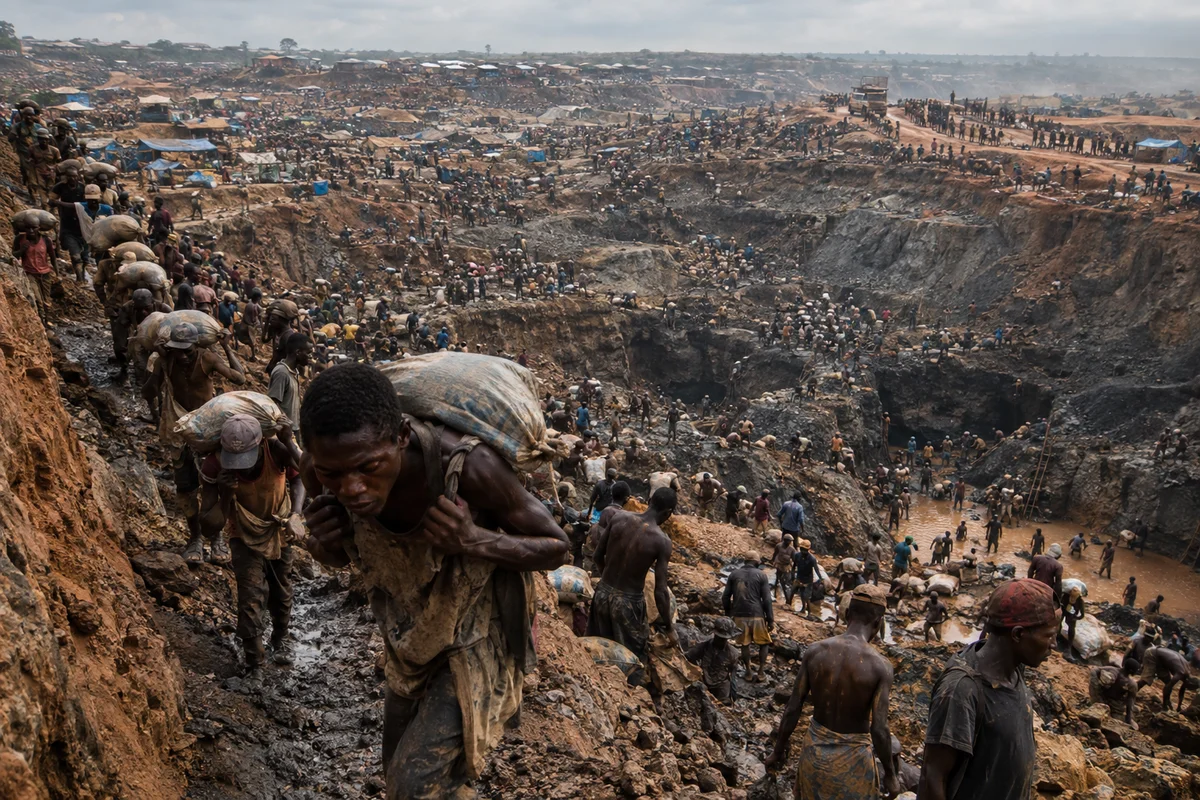
People in academia be like; "Man I don't have any original opinion or imagination of my own. But I am going to state this memorized opinion of a dead white man so confidently, you'll think it is a insight I arrived to myself." And when you ask them to prove it, then they show you a quote from a book by Aristotle or some other dead idiot.
It is easy for some to say, "Just accept that life isn't fair." if life isn't fair in their favor. For the rest of us, it is our duty to make life fair.
He who controls the infrastructure controls the creator.
Creativity is a thirst that can only be quenched with attention. The person who delivers the creation to the attention that the creator craves owns not just the creation, but the creator itself. Historically, creative business has been run as a feudal enterprise where big distributors decide which art can reach the masses. Many creatives were buried under layers and layers of management institutions in order to create artificial opacity between the art and the attention that consumes it.
The artificial complexifying of social media algorithms is just the next move available to the feudalist. Since the artist has outgrown the opaque distribution channels, the new infrastructure of control is within social media and streaming platforms. It may take forever for artists to realize that the only way out of another's ownership is by building their own infrastructure.
The American rapper Jay-Z has always understood this game better than anybody in hip-hop culture. He co-founded Roc-A-Fella to own his masters, later maneuvered to lead Def Jam from the inside, and eventually broke away to build Roc Nation and Tidal. This is where he hit a wall and learnt the most important lesson about capital today: that it is racist. I wonder whether he has the balls to take a shot at a TikTok competitor. Not just TikTok actually, but a platform that will disrupt TikTok, Netflix, YouTube, and all other similar social media/streaming platforms, while at the same time leaving the creator to own their audience and do as they see fit with the attention their art can cultivate. And leave the current platforms for cooperate slop, propaganda and activism.
The creator today who is brave enough to renounce the easy platforms in favor of building distribution infrastructure transparent to them not only owns the future, but buys back his soul. This is the undeniable expected natural progression of the attention economy; any direction other than this would mean artificial, mostly violent, interference by the feudalists.
https://xkmato.com/what-is-wrong-with-ugandan-film-distribution
Maybe J. Cole is suffering the same problem as Eminem and Lil Wayne. The skill is undeniable. All three of these motherfuckers are living boring lives and are not willing to build their brands around important issues. This is the problem with hip-hop: you can't fake it after your audience leaves high school. If you're just an ordinary, boring workaholic, then while you can score some "that guy is relatable" points among some, the gamified attention economy is going to prefer the creators who flirt a little bit with multiple extremes. Being extremely good in only one dimension caps you to the socially acceptable limit of that dimension. And if, relative to your other dimensions, the extreme is too steep, then it is going to be overrepresented, and you're going to come off as one-dimensional. Anyway, what do I know? If I could rap, I would be rapping in Cole's stead because I am a much better writer than him.
https://xkmato.com/feed/5y1dcyx8vkYZR789PKjh
Turning family and friends into a team is an endeavor that can only be taken up by a strongman and the highest of social achievements. Turning family and friends into a tribe is the an endeavor more seductive to the weak that want to seem strong and the lowest of social achievements.
Turning a tribe into a team is the work of an adept.
Yet destroying the tribe entirely in favor of the team is the essence of Buganda. Obo bw'Obuganda.
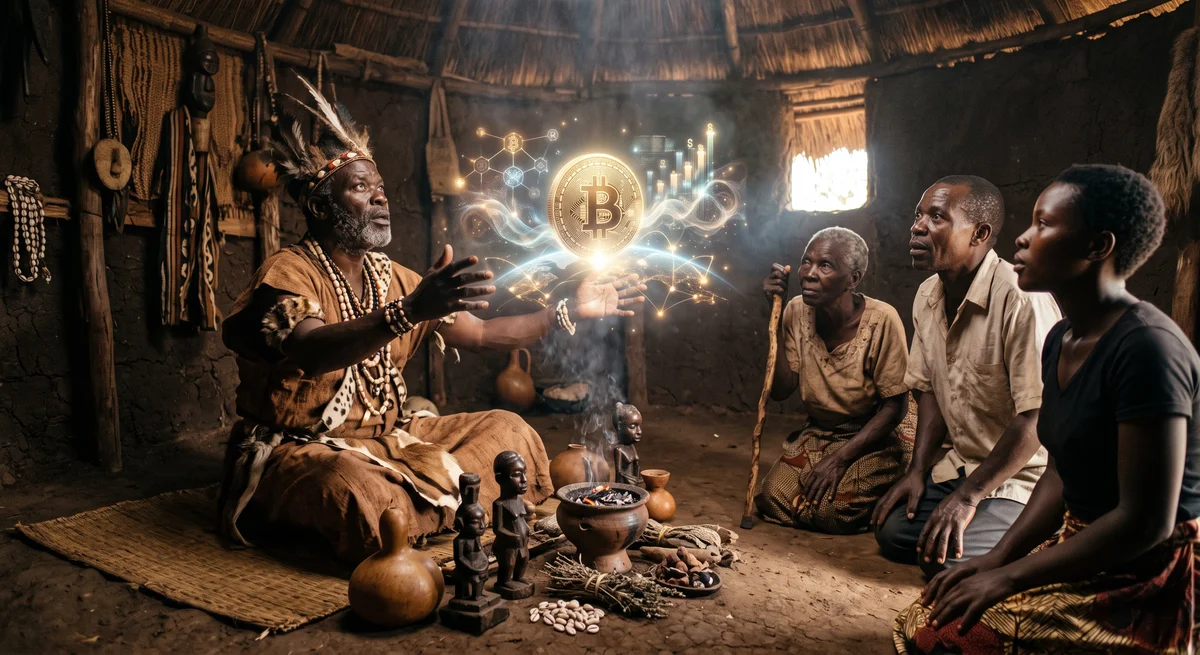
Buy Bitcoin
Meet the Grahams
At the highest level, I believe that all rappers are more or less the same when it comes to music making skill. If you take out the wizards like Eminem and Wayne—and realistically, we now know that wordplay and technique alone aren't even that impressive to fans anyway—what we are left with are poets who are also performing a character outside of their music to reinforce the lyrics into real-life moments.
Today, for example, you cannot separate Ye's music from the Twitter rants. Kendrick was able to close the biggest hip-hop battle of our age without question by deploying some psychological witchcraft in Meet the Grahams because Kendrick knew that he wasn't battling Drake the artist. It wasn't a competition of who makes better music because that is impossible to judge, but the competition was rather, can I convince your fans that you're an idiot? That is why I was sad when Cole coward out. He would have changed Kendrick's strategy entirely. To me, Kendrick's whole approach was a direct response to Drake's line on The Game's "100": "I would have all of your fans if I didn't go pop and I stayed on some conscious shit."
That is why the pop song from the battle comes directly after the dark, Freudian psychoanalysis song, Meet the Grahams. Kendrick wasn't analyzing Drake; he was asking the Drake fan to look into themselves and really ask whether they want to consider themselves a fan of such a terrible person. So he showed Drake from multiple perspectives; the parents, child, and imaginary child. Unlike his other songs in the battle that were intended for social listening, reactions, and analysis, this was not a social song. It was intentionally simple, dark, and almost kind of culturally white. This is the bait. Just to introduce a little doubt into the mind of the mindless Drake listener: "I like Drake's music, but do I like Drake?" And so when some hours later the pop song drops with wild accusations and political hyperbole, the battle is settled. It is Kendrick stating, "I would have all your fans if I didn't go conscious and I stayed on some pop shit."
So when Jay-Z piled on by giving Kendrick the Super Bowl, there was no more room left for Drake in hip-hop.

Bully (Deluxe)
Kanye has called himself everything, even God. But since he declared Jesus to be King in his Jesus Is King album, Kanye has attempted to perform Jesus. His ego being what it is, he wasn’t comfortable settling as a mere disciple. In fact, he has gone as close as calling himself Ye. Kanye claims "Ye" means "you," like in the Bible. But I think Ye is short for Yeezus. It is Kanye claiming to be some sort of Black Jesus. He is just shy to make the claim outright. His character, rage, and music since that album have basically been Kanye asking himself whether he is quite a Christ yet. He is just so sure he is close to Jesus that he is no longer worried about sparing his fans the anger, frustration, and all the other dark feelings, because the Jesus he believes in wouldn’t be embarrassed of those feelings. Kanye has performed his faith by crossing some lines that were believed uncrossable a while back. He threw away a billion dollars. He claimed to love Hitler. If you were going to give any establishment anywhere the middle finger, that is how you would do it. His faith was so strong that he was sure none of that would drag him down.
Maybe it was Bianca, or he found the last therapist in the world who is not a mufere, or he stole my Lubale when he came to Uganda in 2018. The actual reason doesn't really matter. What this latest album is mostly about is Ye coming back to his senses. That nigga ain't Jesus. Jesus is a story in the book, but Ye is a real person. White people have a word for someone who performs a character without being aware that they are performing it: mental illness. So, I imagine the future of Ye’s music is going to be much less radical as he transitions from Ye method-acting Jesus to Ye commoditizing, scaling, and mass-distributing Jesus as a product. Obviously, this can go the conservative way as well, where Ye opens the path to the radicalization of Christians. I think he is done fighting. He wants to let the banks and establishment decide: Do you want the story of a Christian in the club surrounded by BBLs you can monetize, or do you want a story of a Christian in church pursuing purity? Which fight do you want?
Obviously, Ye—like Drake, The Game, Jay-Z, Eminem, Kendrick, and all your favorite stars—is an illustration of the weaponization of the attention economy. For all the people who hoard more attention than they need, part of the contract of fame is putting your soul on the market. But the market is run by banks, and sometimes the banks prefer war. If they own your soul, they will get you to mobilize your audience for war. This is better illustrated today by Ed Sheeran’s situation. Ed is incapable of condemning a genocide because that part of his soul is not his own.
I hate to be the bearer of bad news, but the truth is that if you fake your way to fame, the markets will force you to make it. All the attention you attract will manifest that which you fake. That is just a law of the universe. And believe me, the way out is not a better character from a story. If you claim to be Jesus, the market will turn you into Ye. If you claim to be a Gangsta, the market will turn you into The Game. If you claim to be a drug dealer, the market will turn you into Jay-Z. If you claim to be a rapper, the market will turn you into Eminem or Lil Wayne. If you claim to be a saint, the market will turn you into Kendrick. And even if your character is mathematically engineered and you don’t even know who you claim to be, the market will turn you into Drake.
Attention is the fuel of manifestation. Only your imagination is the limit, so if you have hoarded a good amount of attention, don’t waste it on other people’s imagination. Just be Ye. Jesus is just a little bit of Kanye West; a single character among many in his mind. What's a King to a God? But since Kanye has already eaten from the forbidden tree. He now knows he is naked. And he cannot hide from God, even if he tries to play God. What's a God to non-believer? If he gets bored of Christianity, he should come back home and we'll show him the real thing.

"Who told you that you're naked?" God asked Adam.
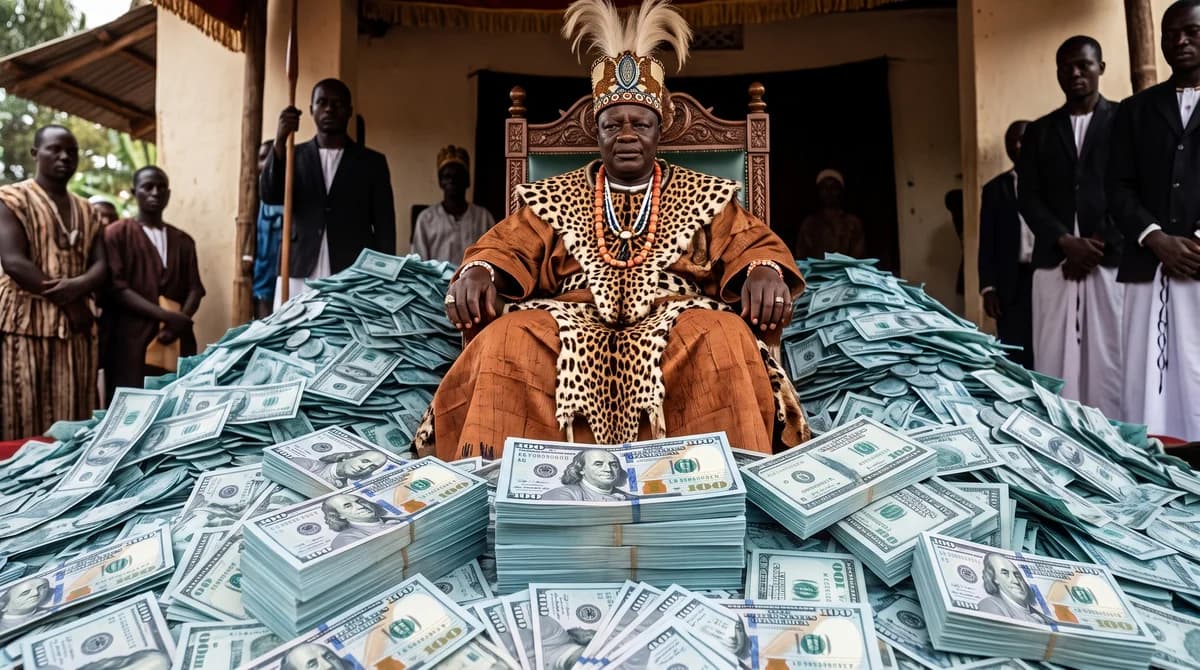
That Bitcoin is a "CIA psyop" is the real psyop. People who've never met CIA people are the ones who mystify their capabilities. My theory is that the CIA operates just like any witchcraft gang: their power lies in secrets, information collection, and the absolute loyalty expected from their members. In return, these members are exempted from the law to some extent and financially incentivized. But creating Bitcoin isn't an issue of intelligence; it's an issue of incentive. An intelligence agency may have the raw cryptographic talent, but they completely lack the incentive or mindset to build an unkillable, open-source tool that deliberately strips power from the state. One can make a far more convincing case for state influence in ETH, other chains, and stablecoins—most of which run on Ethereum anyway.
Bitcoin has no secrets, and it has no mysticism. What you see is what you get—it converts directly into physical energy. The price is still prone to social games, so it can be volatile and unpredictable, but that social arena is the only place the CIA can play because of their massive leverage over media and narrative. And while human greed drives plenty of everyday gambling, the sheer scale and total impunity with which these crypto casinos, open-day heists, and scam tokens operate feels eerily similar to the lawless, black-market playbooks intelligence agencies have run for decades—whether they are driving the chaos directly or simply letting it burn to discredit Bitcoin.
Trust me, if the CIA had the incentive to build a non-sovereign, transparent monetary system like Bitcoin, their overall posture wouldn't be as financially wasteful or as unnecessarily violent as it is. The mystique around that organization isn't new. Historically, ruling classes have used similar hype to claim access to God, establish legitimacy to rule, and maintain societal control through illusion.
Anyway, I'm personally invested in Bitcoin, so I may be a bit biased. But believe me: if you have access to an LLM, especially a local one (preferably an uncensored version), the amount of human intelligence you don't have access to is remarkably small—it's limited mostly by your own curiosity.
This isn't to say that the CIA isn't an extremely powerful organization. Their deep integration with military power and government infrastructure gives them massive reach. But the point stands: keeping complex, long-term secrets is nearly impossible, especially wrapped around an entirely open, globally audited platform like Bitcoin.
Civilization can be defined not as a competition of man to control nature, but of man to control man. Nature just happened to be either collateral or a tool. Why man was interested in controlling man in the first place is the most important question as we make significant breakthroughs in our understanding of human cognition. The sages of the East (Rishis) reduced this urge to control to an instinctual failure of man to understand the seven important energies (Prana) in man's body. They called them chakras. And it is this profound ignorance (Avidya) of these senses that is the source of the baser instincts within man: the instincts for disgust, shame, hunger, hate, anger, delusion (Maya), and fear. Most yoga practices have been developed specifically to address this Avidya.
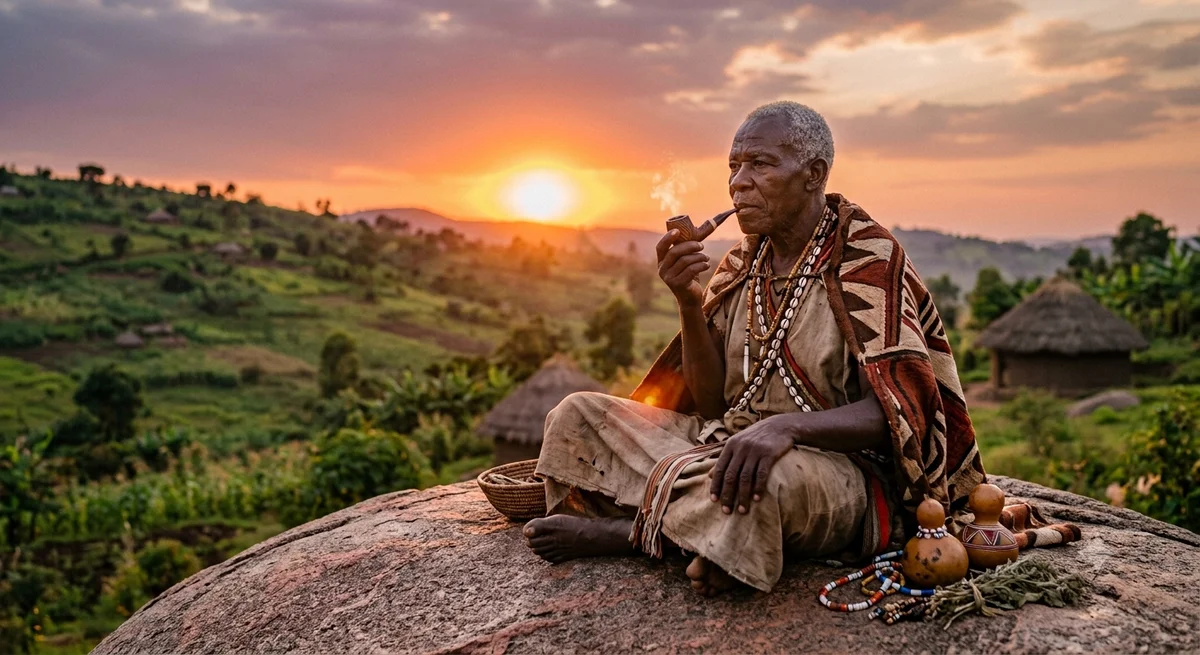
The Reserve Currency Trap
For 80 years, the world has viewed the U.S. dollar’s status as the global reserve currency as America’s ultimate geopolitical superpower. However, macroeconomic history reveals that holding the global reserve currency is not a permanent victory—it is a temporary sugar hit that ultimately exacts a long-term, effectively diabetes price on the host nation.
The mechanics of this economic decay are straightforward. When every country is forced to use your national currency for international trade, it creates massive, artificial demand that severely overvalues that currency. While this briefly allows the empire to enjoy cheap imports, it acts as a permanent tax on domestic exports. Over time, this dynamic completely hollows out the nation's manufacturing sector, rendering it unable to compete with rival nations that benefit from cheaper production costs. The United States traded its industrial dominance for financial dominance, and is now paying the ultimate price of that trade-off.
As the U.S. dollar's dominance wavers, rival nations are rushing to position their own currencies as the replacement. But doing so would be a monumental mistake. Taking the reserve currency crown means taking the reserve currency disease. Any nation that forces its fiat upon the globe will inevitably doom its own manufacturing base, repeating the exact same cycle of collapse that takes down every economic empire.
Back in 1944 at the Bretton Woods conference, it was explicitly proposed that the world should use a strictly neutral unit of account for international trade rather than a national currency. The United States rejected this to protect its immediate supremacy, setting the stage for today's geopolitical instability.
Bitcoin is the modern realization of that neutral international ledger.
Unlike fiat currencies, which require a host nation to sacrifice its industrial base to provide global liquidity, Bitcoin requires no host. It is a stateless, neutral monetary network governed entirely by thermodynamic physics, mathematics, and decentralized consensus. No central bank can weaponize it, and no single nation has to bear the economic "diabetes" of artificially overvaluing its domestic money to facilitate global trade.
To break the destructive historical cycle of rising and falling fiat empires, the global economy requires a settlement layer that operates outside the control of any single nation. Bitcoin provides a structurally sound, physics-based alternative that protects sovereign industry while enabling frictionless global trade.
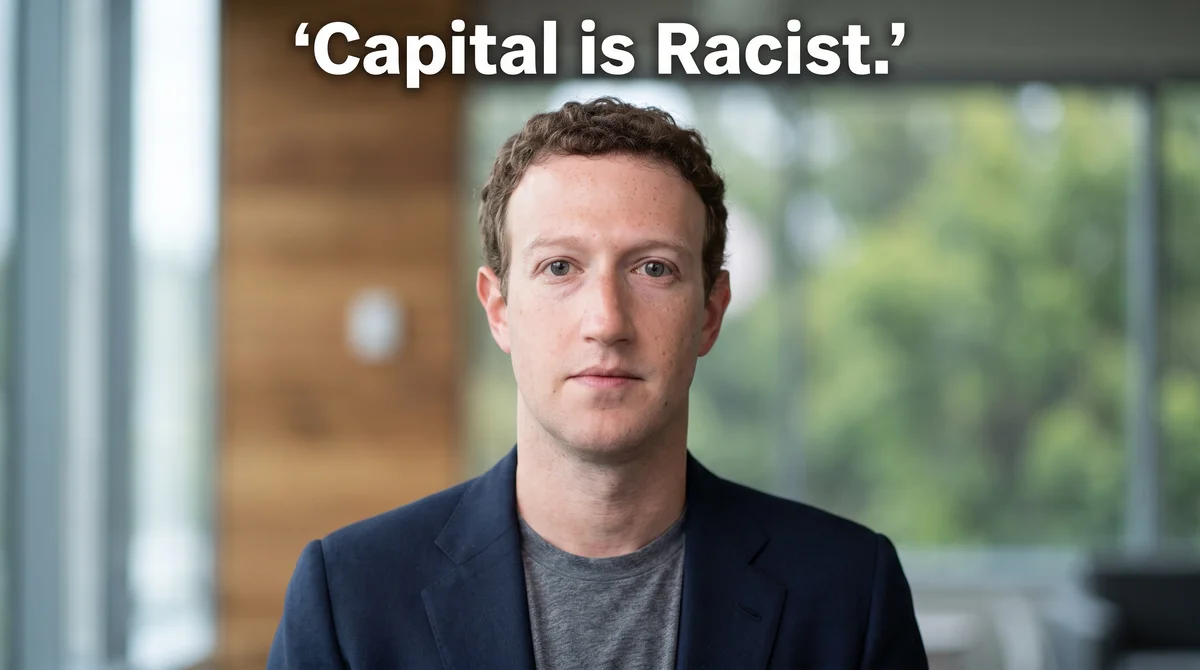
Capital is Racist
If we talk about the future in terms of time, it feels like it has nothing to do with us. If, say, you state a fact that at this rate, in 100 years 90% of Africa is going to be owned by less than 10% of the people living in Africa—most of which will be Western capital—that doesn't sound as important. After all, you have real problems right now. You need to buy milk for your children and jewelry for your wives. These are real problems that you can feel now now. And you're right.
But consider it rephrased: if in your 30s you're renting, or if all the land you own is a 50 by 100 or even an acre, chances are high that your children will be renting African land from white landlords. And your grandchildren will likely be homeless (if conservatives run America in those years) or will stay in mass dormitories (if Democrats run America in those years). This sounds absurd, but it will happen.
Capital optimizes for more capital. If that means killing all the wildlife, and reducing the rest of Africa into a kraal and maize plantation to grow capital, that will happen.
If you're working for your children, you have to start imagining the state of Africa by the time those children are your age. From where you stand, do you have a say in what that Africa will look like? Can you even genuinely predict what Africa will look like? If the answer is no, just know it is likely the same answer for your neighbors as well. So the follow-up question will be whom you've left the fate of Africa to, and whether you trust them.
Is your passivity today subjugating your own children and their children to eternal poverty? Are you the superstitious kind who thinks funny numbers and white-made acronyms like GDP, SDG, etc., have your Black children's best interests at heart? Don't you ever wonder why capital is more accessible to white people than it is to Black people? Here is an example in your lifetime: Mark Zuckerberg just wasted $80 billion to experiment with some thoughts that came to him in the shower. And let's not talk about all the money that white people are using to mass murder children in Gaza because we don't want to get into politics. It better if we pretend the world is not managed by politicians or that they care about their constituents. That is the kind of money that gives all the poor people in Uganda the capital and agency to take back the fate of their lives and the lives of their children. But Zuckerberg blew it, and guess what? He simply got richer.
The world we live in is made up of 10% white people, but somehow, 65% of the wealthiest people in this same world happen to be white. Either that skin comes with some magic intelligence that we cannot explain yet, or a simpler explanation is that capital is racist. It prefers white people.
Now, we can cure capital of this mental illness. We can wake these billionaires up to the reality that wasting $80 billion without consequences while people are starving in Uganda is not acceptable. And yes, that Bill Gates shit of using philanthropy like a PR stunt is also disgusting. But in order for us to make this case clearly, we need to first clarify our own dream, and insist that we take charge of what we dream of, what we desire, and how we want to get these things.
But if we pray to Jesus or Bill Gates and hope they have our best interests at heart, they will use that capital so that their grandchildren will own our grand children like their grandparents owned some of your grandparents.
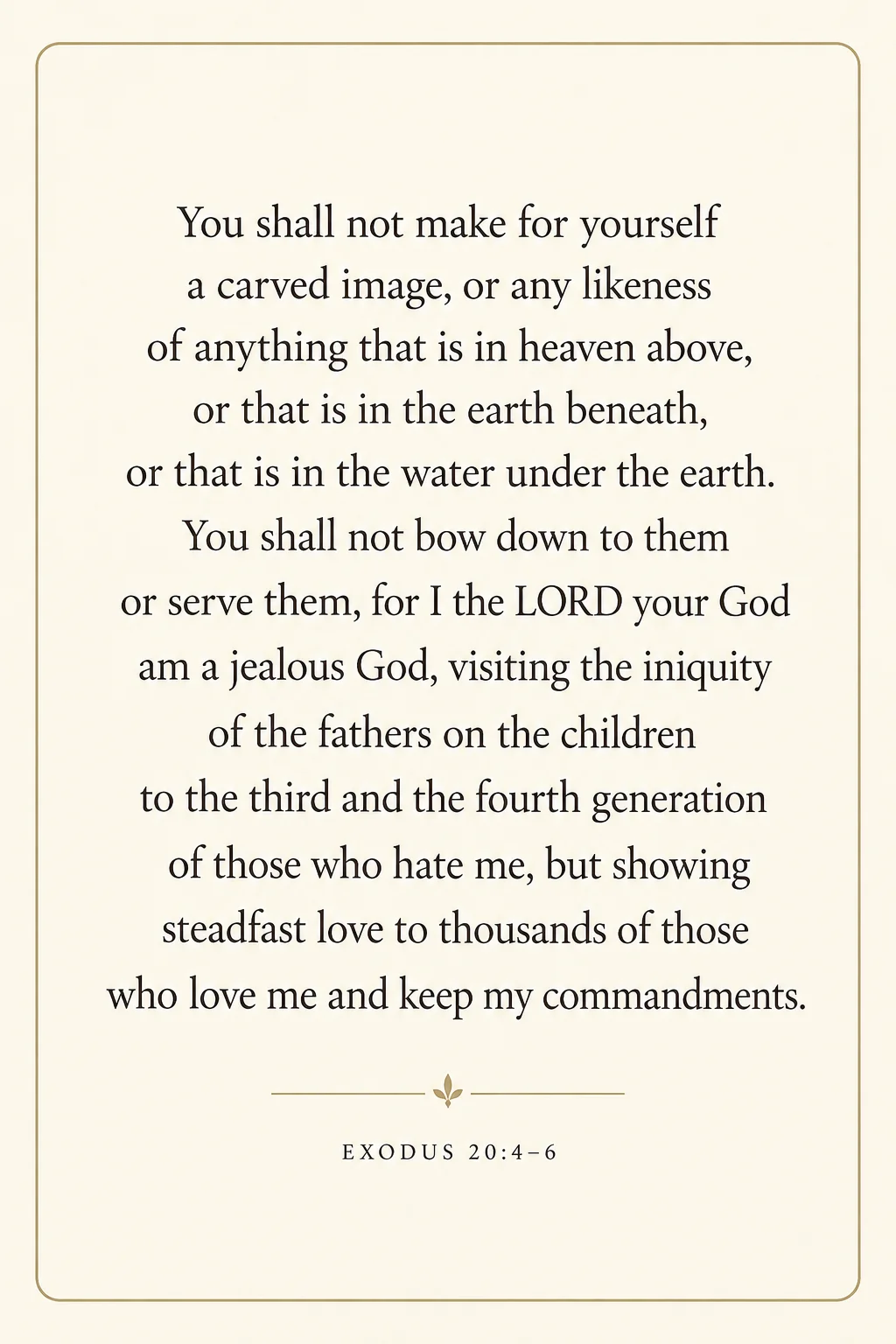
If in the end we find out that the Buddhists were right and that the whole dying thing is to reincarnate and come back as a kob or snail, then this here my friends is the original psyops.

Building a Utopia is not about shaping the external world; it is an internal, iterative process. Here is the visual cycle of how it works:
Step 1: Identify a Problem
Signal of Pain
↓
Step 2: Rant
Release & Externalize
↓
Step 3: Fantasize
Envision Resolution
↓
Step 4: Obsess
Plan & Weigh Consequences
↓
Step 5: Build
Evaluate & Adjust
↓
Did a new painful state arise?
To know that something is a problem is simple. Catch yourself at any one moment in any one or more of these painful mental states: Fear, Disgust, Shame, Guilt, Hunger, Hate, Envy, Jealousy, Anger, Resentment, Boredom, Confusion, Doubt, Abandonment, Rejection, or Loneliness.
Instead of judging or pitying yourself, thank your body for raising an important signal. Any one of these states is simply letting you know that there is a problem worth solving.
Indulge in this mental state by expressing it. You can do this by writing about it, calling your mother to vent, calling your therapist to talk, insulting a stranger on social media, or sharing a strongly worded rebuke with your children or employees. Do anything that comes naturally to you that allows you to turn this subjective state of mind into an objective artifact in the world that you can share with someone else.
Most people usually skip this stage and either get stuck at the ranting stage or skip straight to the obsessing stage. But in order to build a Utopia, this is the most important stage.
You have to imagine a world where this mental state doesn't exist. Was your rant an expression of anger towards your ex? Well, what about fantasizing about a world where he doesn't exist, or maybe one where they did not leave you? Whatever fantasy gives you that craving for a world without the mental state that triggered this problem-solving process will work.
It is crucial that you are obsessing about the fantasy and not the rant. This is extremely important. If you obsess about the rant, you'll end up creating a dystopia in the next stage, but what we are doing here is creating a Utopia.
Think, plan, and learn—detail by detail—what it would take to actually live in the world of your fantasy. What exactly needs to happen for this world to come into existence? The obsession can range from wild thoughts, like needing to buy a weapon, to apologizing, or setting a thirst trap for your ex—or the equivalent for whatever your situation is. Just get as detailed as you can.
During the obsession stage, don't forget to obsess about the consequences of your actions, too. If you get a weapon, it could hurt you instead. If you set a thirst trap, they might sleep with you and still not get back together with you. If you apologize, they might have already moved on. Obsessing about the consequences is a mandatory part of this stage.
What is the least action you can take with the most acceptable consequences? Take that action.
Did it go the way you expected? With the next action you take, accept a bit more risk with the consequences. Anytime an action puts you back into one of the painful mental states listed above, go back to Step One.
Do this for the rest of your life, and you'll be the happiest person in the world. It is in that happiness where the Utopia lies. Utopia is not found in any kind of external measurement of the state of the world.
The only form of financial freedom is to own a bank.
But what's Bank to a Central Bank?
What's a Central Bank to a Government?
What's a Government to a Bitcoin owner?
Who don't believe in any authority.
Jajja Bulamu: Plastics is an existential threat to the poor African.
Either building wealth or micro plastics will be the existential threat to the poor... and right now, the plastics are winning the race.
Listen to me, you are poor. Your poverty is exactly what makes you the prime target for a slow, invisible slaughter. You spend all day stressing about rent, school fees, and making it to tomorrow, completely blind to the fact that the very things keeping you alive are quietly filling your veins with toxic sludge.
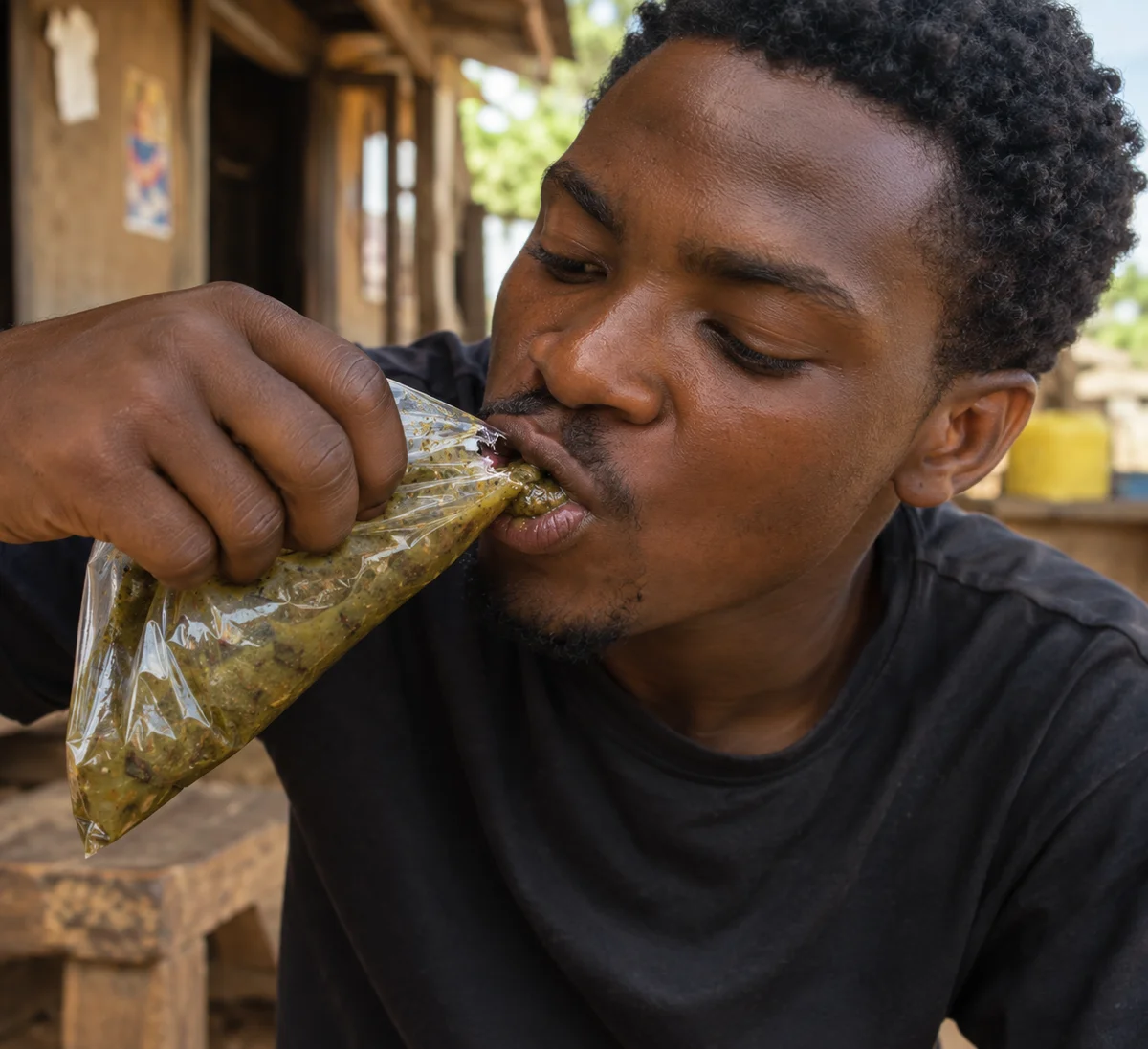
Take your daily hustle as an urban worker in Kampala. You’ve been sweating in the dust all morning, and by 2 PM, you finally scrape together just enough coins for lunch. You buy hot kikomando—steaming beans and chopped chapati—and the vendor scoops it directly into a cheap, flimsy kaveera (polythene bag). You tie it up, bite off the corner, and squeeze the food into your mouth to keep moving.
The heat from those boiling beans instantly leaches invisible, toxic chemical layers from that cheap plastic directly into your food. You swallow it, and your digestive system goes to work. But stomach acid cannot dissolve plastic. Instead, those microscopic shards—nanoplastics—pierce right through the delicate lining of your gut. They slip past your cellular defenses like microscopic shrapnel.
Once they break through, they drop directly into your bloodstream. They hitch a ride alongside your red blood cells, pumping through your liver, your lungs, and your heart. Slowly, day by day, they lodge themselves into the plaque of your arteries, hardening into a synthetic wall just waiting to trigger a massive stroke or a heart attack before you even hit fifty.
We used to think smoking was the ultimate slow killer. This is worse. It is vastly more fatal for one simple reason: you can choose not to light a cigarette, but you cannot choose not to eat.
This crisis is almost entirely out of hand. The rich are already pivoting. They can afford to buy their way out of the fallout with glass food containers, organic cotton clothing, and expensive reverse-osmosis water filters. But you? Your entire survival—your cheap synthetic shirts, your water tied in nylon pouches, your hot street food—is wrapped, served, and consumed in plastic because it is all you can afford.
This is a death sentence. You are becoming the plastic.
Aversion to pain is exactly the same as desire for comfort.
But how you see it determines how you move.
Do you want to understand and define pain thoroughly so you can avoid it?
Or would you prefer to understand and define comfort so thoroughly so you can become it?
One is a victim mindset.
The other is manifestation.
Which path do you prefer?
Regardless, you're moving.
Save your money as Bitcoin.
Kabaka Dungu!