Skip to content
X
XKMato
Aug 17, 2026, 10:19 AM

Perhaps the biggest contribution I can make to the African mind is to help erase the enduring shame of colonialism. The fact that our ancestors were violently coerced and systematically deceived into submitting to foreign rule is a dark chapter, but even worse is the psychological aftermath: the conviction that their indigenous norms, traditions, and very existence were a mark of shame to be shed in exchange for so-called civilization. 


We are fortunate that our skin sets us apart from our colonizers, providing a visual anchor to our distinct heritage. After all, similar cultural erasures happened globally—in Europe, pre-enlightenment traditions were reduced to museum artifacts and folklore, while in the Americas and Australasia, indigenous cultures were nearly wiped out entirely.


This inherited colonial shame can trigger an instinct of aversion—a hatred for our ancestry, or even ourselves—trapping us in a victim mentality and creating a generation that wishes for a different history. But in reality, what makes us African today is the inseparable combination of our rich ancestry and that colonial interruption. We should not be embarrassed of who we are. We must remember the ways of our Jajjas, while opening our minds to integrate the foreign influences left behind. We must be willing to forgive the colonizers, forgive the grandparents who felt forced to collude with them, and begin doing the work today. By synthesizing the old ways of Africa with the lessons and tools from colonization, we can forge an African identity that our children can happily inherit.


https://xkmato.com/witchcraft

22
Explore in Mind Map →
Purges colonial spiritual shame← Connected from
Open post →

Reclaiming Kawumpuli directly enacts the call to strip internalized colonial shame from maligned indigenous African traditions.

X
XKMato
4w ago

Banange Kawumpuli taluma. Kawumpuli ye aja kukola kubo. Bwowulila mu awakuluma, Kawumpuli aba akulaga maggwa eyo jobulidde okomewo kukubo. So Kawumpuli mutya wabwerere. Mumukirize abakompone mu. Si mu bubi.

Materializes decolonial pride← Connected from
Open post →

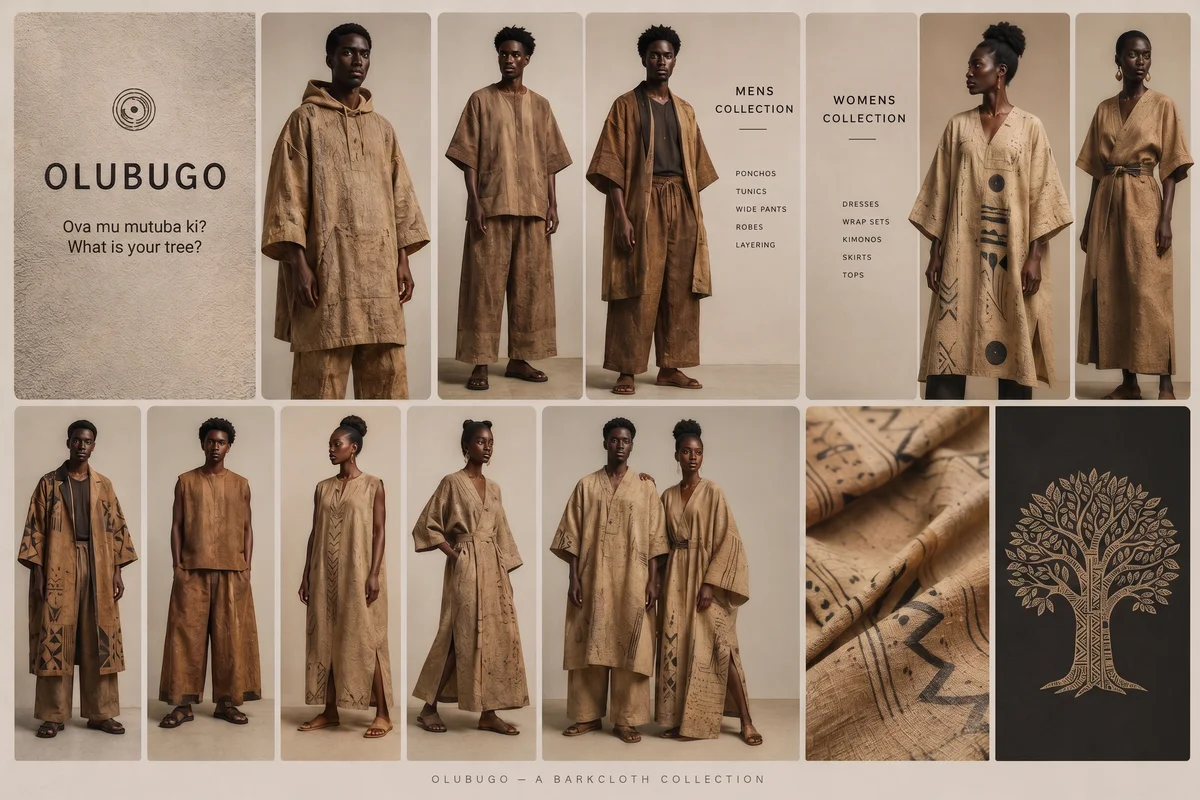
Turns the psychological call to purge colonial shame into concrete cultural reclamation through traditional barkcloth craft.

X
XKMato
2mo ago

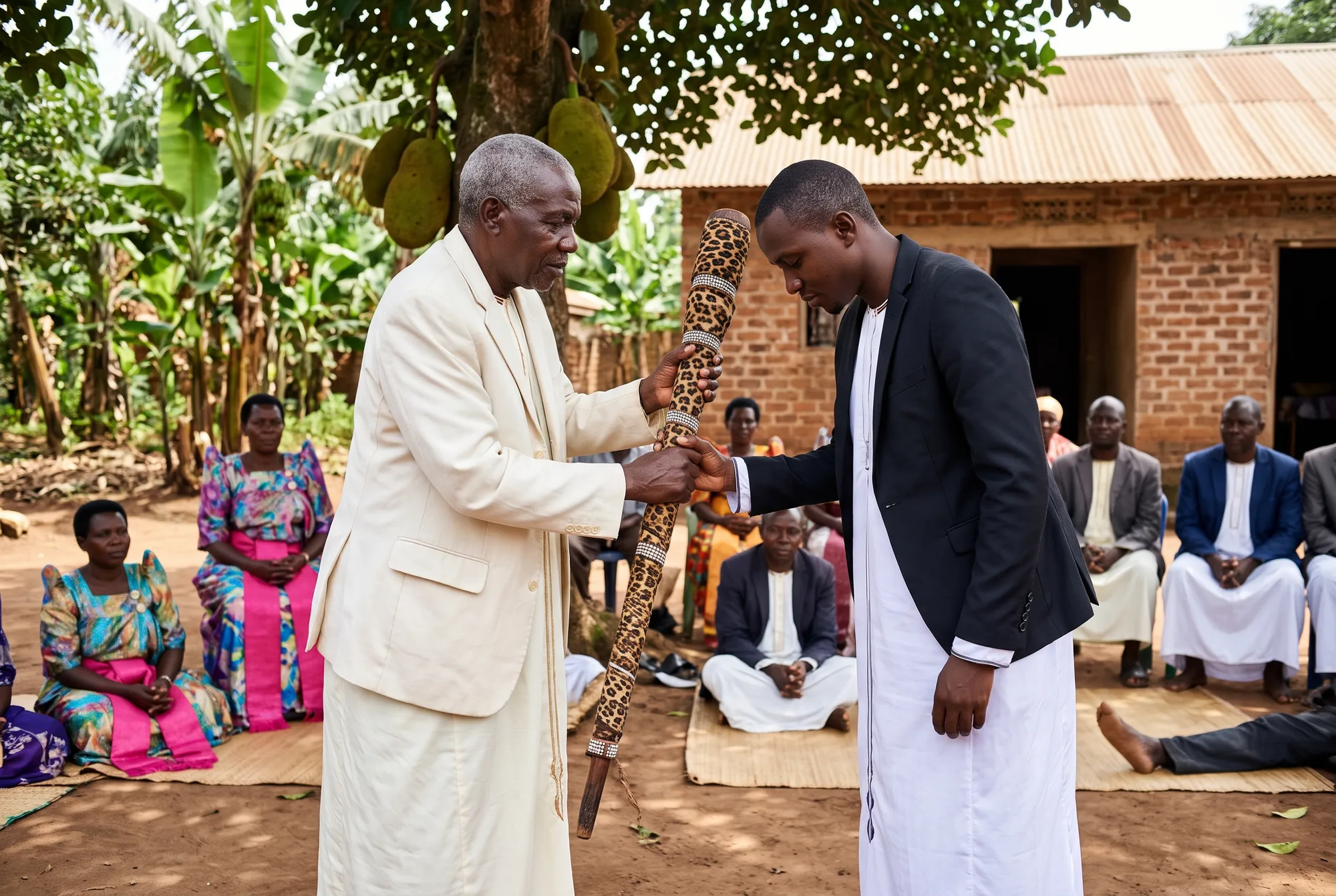
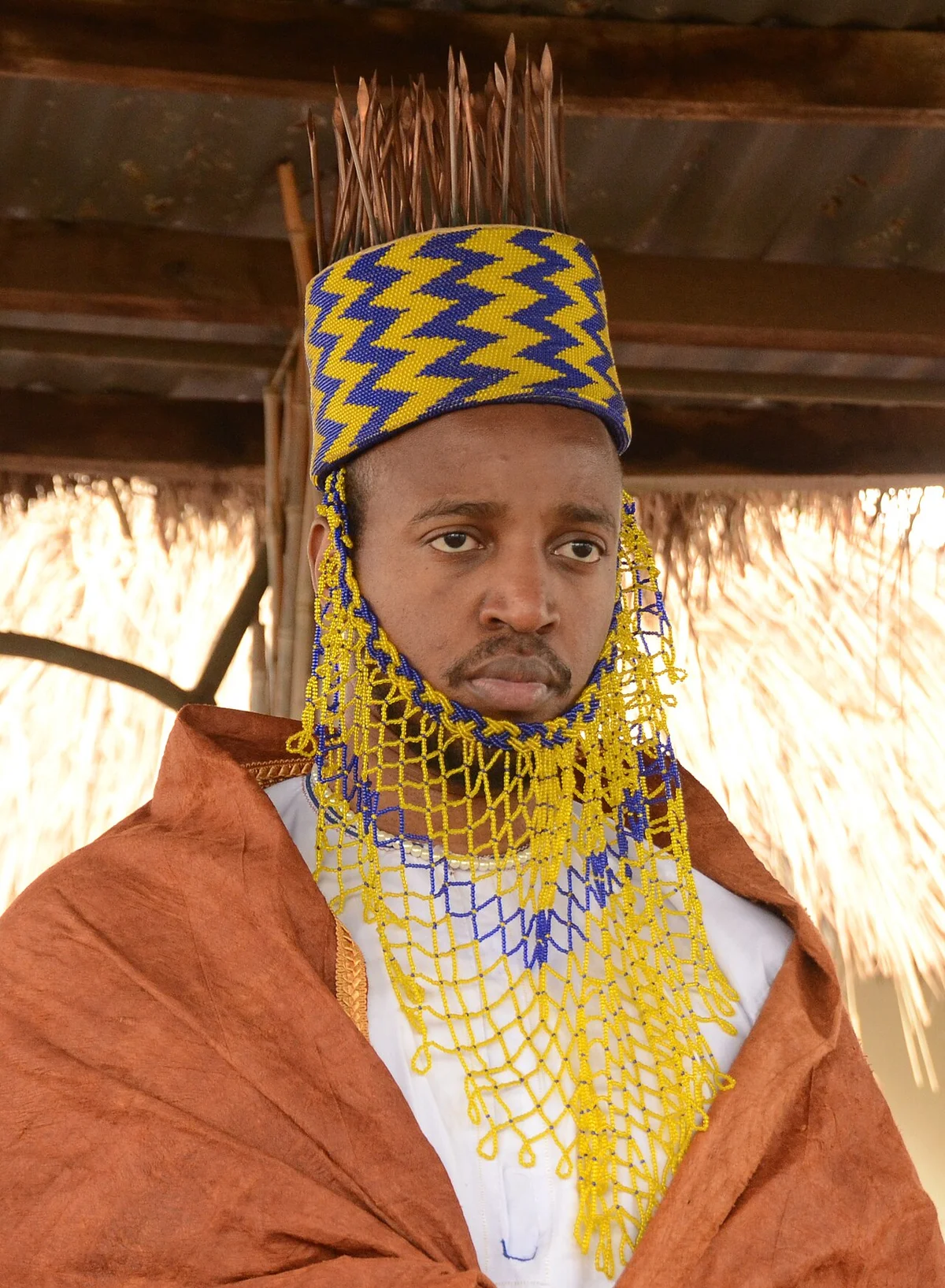
Kabaka Dungu! 

Olubugo line...

Feed attachment
How schools implanted colonial shameLeads to →
Open post →

Explains the institutional mechanism behind colonial shame: church- and mosque-run schools indoctrinating African children against ancestral metaphysics.

X
XKMato
1mo ago

The only reason any African with a brain in their skull would entertain Abrahamic-based spiritual practices is if you violently repress any other kind of spiritual thought. And this is exactly what the school system—most of which is church- or mosque-based—actually did. They indoctrinated children into this monotheistic perspective as a given: "You either believe in the one true God, or you're an atheist." Atheism, as well, is simply an anti-God form of monotheism. And so, for almost a century now, most so-called civilised Africans have simply been raised as spiritual cripples.

Even if you argue that African practices were not compatible with Western education because they were not formalized in a traditional sense, why does no school teach Buddhism and other Eastern spiritual schools of thought that, in my opinion, are miles ahead of the Abrahamic doctrines spiritually?

The idea that this colonial history is some sort of conspiracy theory—or an excuse for people who are looking for someone to blame, or a way of focusing on emergent disadvantages and framing them as intentional malice—is lazy thinking. Anyone with a body capable of processing thought can easily conclude that God, Church, Mosque, and Atheism are simply an Overton window imposed to control and extract from gullible societies.

I believe there is room to reform the Catholic Church and its doctrine, and move its foundation away from the Abrahamic stories. We should also throw away Paul's letters and use what is left to build a spiritual scripture that empowers, rather than pacifies, its practitioners.

Reclaims maligned indigenous shrines← Connected from
Open post →

Framing traditional shrines as clinical hospitals directly enacts the decolonization of stigmatized African practices.

X
XKMato
3mo ago

Esabo dwalliro si sinzizo. Gwe atali mulwadde okyimayo ki?

Purges shame for liberation← Connected from
Open post →

Identifies overcoming psychological shame as the shared gateway to both individual Kundalini awakening and collective decolonization.

X
XKMato
3mo ago

The Fear. The Shame. The Hunger. The Hate. The Anger. The Delusion. The Identity. Kundalini!

Purges colonial shame from tradition← Connected from
Open post →

Provides the psychological context necessary for shedding Western indoctrination and honoring ancestral African cosmologies.

X
XKMato
3w ago

Summary of the XKMato Post Evolution (June 4 -> October 28 2026)

Looking across the full 5-month arc, the author's voice evolves through three distinct phases:

  1. Phase I — Deconstruction & Diagnosis (June – July): Identifying the "Mediocre Culture," demystifying Western physics and Darwinian competition, and establishing attention as the fundamental currency of the universe.
  2. Phase II — Mythic & Cultural Re-anchoring (August – Mid-September): Building a synthesis of Buganda cosmology (Kintu, Dungu, Mukasa, Nalubaale), Gnosticism, and Vipassana meditation; testing these ideas in sci-fi (The Immortals) and cultural essays (Witchcraft, The Effort Trap).
  3. Phase III — Systems Engineering & Sovereign Action (Late September – October): Shifting from cultural critique to aggressive institutional design—proposing the Engineered State, dissecting local elites (Andrew Mwenda, NACOBA SACCO, pastors, Makerere), launching MeAside 0.2.0, and architecting XkMato Whisper while calling for a 2,000-year generational strategy for African agency.

Read full report https://tinyurl.com/4jbpuvzr

Restores dignity to maligned traditions← Connected from
Open post →

Reclaiming ritual as a disciplined wisdom archive directly counters colonial shame surrounding indigenous African traditions.

X
XKMato
3w ago

Emikolo. Oba mwe kye muyita okusamira. Giriwo kukuyigiriza. Egyo emikolo si gya kusabiriza. Oba kwetikka bitibwa. Abagwanjuba n'abavanjuba bajjukira ebintu bya bajjajjawe mu kuwandiika. Bajjajjamwe emikolo gye bakolanga mu kifo ky'okuwandiika. Egyo emikolo si gya kusabiriza Kabaka wammwe Mukasa. Emikolo gya kumujjukira.

Essanyu n'emandwa emikolo gye gikuwa si kirabo kya kusabiriza, ogwo gwe musomo. Bamweyana ky'ava abasula eddalu. Oba Kawumpuli n'abanakuwaza. Mwatamiira ebireeta emandwa. Temukyabyawula ku mandwa yennyini. Egyo emizimu gyonna munaagisobola? Oba si mpewo, nga kawaragi ke kakusibye mu ssabo? Oba bitiibwa. Oba bunafu. Oba mululu. Oba bubba. Oba busungu. Lubaale gw'okaka okukuyamba akolera ku biragiro byo?

Muyize obubuze bw'abazungu. Emikolo mwagala kugifuula mize. Mugaanye okuva mu ssabo. Simanyi ne Lubaale mwagala kumusiba n'ejjembe ly'abazungu ery'obwannannyini? Mulaba bwe mugenda okuva mu kusamira mutandike okweroga. Tubeere nga tetusobola kubawula ku tiktoker oli gwe bavumye nti ddiikula.

Bannange muve mu masabo tugende tukole. Omuganda ensi ye yagyezimbera tebeera na baddu. Ago amayembe ge muwanga gabakolere obuddu munaagaliisa ki okuggyako abaana n'abazzukulu bammwe?

Bannange ne jjajja akoowa.
Oluusi temumunenya kubalimba nemumufula Kabaka
Nga mulowooza lw'anaabakolera.
Jjajja Bamweyana si Lubaale
Gw'atannakora Ddungu, Bamweyana agenda kusula eddalu.

Restores suppressed indigenous cosmologiesLeads to →
Open post →

Restoring dignity to maligned African traditions provides the cultural foundation for reclaiming relational African philosophy.

X
XKMato
3mo ago

If we forgive Immanuel Kant for his racism, we may keep failing to see how that racism informed a lot of his so-called great work. For Kant, separation is so fundamental to his perspective that if you indoctrinate yourself in his works, you may lack the correct awareness to realize that separation is not fundamental to the organization of nature, but rather simply one form of order. And that there are many ways of ordering existence without breaking it down into permanently separate components.

I am currently in the process of imagining a new philosophy around the nature of existence that is most intuitive to the Baganda (I am not a philosopher, nor an academic, nor a witch doctor, nor a messiah, nor any mystical figure in your culture; I am just a writer, so read like you have your own brain. I am too lazy to think for the both of us). I think the idea of Kintu as described at the link below https://xkmato.com/feed/lib0dy6NZtZzMSczUSzr is less about this idea that the attributes of a thing are what make it a thing, and more about the function of a thing. Your awareness of your existence is what makes you Kintu. Not the shape of your body or any other attributes. This ability to notice others is simply a function called Empathy. Basically, the more empathy that comes along with this awareness function, the fewer "Others" there are, and the more Kintu there is.

And so, this idea among the Baganda that we are all descendants of Kintu is a reminder of how broadly we have to extend our Empathy. Before the superposition of the colonial language on the Buganda perspective, the Muganda believed that Kintu was the first person. Not the first Muganda. Because at that point, being a Muganda did not mean much since anyone, really, could be a Muganda. This acknowledgment that you are a descendant of Kintu is the equivalent of baptism or circumcision among the Baganda. It means that upon getting a Kiganda name, as you Kulanya (stating your name and listing your grandparents), you are simply remembering that you and every other Muganda are descendants of Kintu.

Like with any other Lubaale, the Baganda knew that Kintu went by a different name among people with different tongues. The Baganda never claimed that Kintu spoke Luganda; they just knew that whoever or whatever Kintu is, referring to him in Luganda meant using the name Kintu. Kintu is not the first Muganda, but the first man. Archaeologists also believe that the first man lived in East Africa, and if they were to pay me, I could narrow the search for them because I know exactly where Kintu's remains are. What I have learnt from the life of Dr. Besigye is that genuine faith in this country is punishable by unimaginable torture and only the Bafeere flourish. So, it is perhaps high time I too learn to Kufera people before I end up sharing the same fate as the good doctor. Anyway, to all the archaeologists out there: I am dead serious. Give me money, and I will consult the spirits and show you Kintu's remains.

Anyway, back to Kant. My point was that his perspective isn't bad, but it doesn't scale so well. And if you force all your schools to teach Kant, make all Kanty movies, and build your companies and countries like Kant's, then you need to come to my shrine and pay me to show you how you can correct your alignment with your Jajja Kintu. Or as the white washed story of Kintu has it, Walumbe is coming for you.

externalizes decolonial pride← Connected from
Open post →

Translates the internal psychological rejection of colonial shame into Malema's unapologetic public political confrontation.

X
XKMato
5mo ago

Julius Malema!!

Restores indigenous epistemic dignity← Connected from
Open post →

Connects curricular decolonization to the deeper psychological work of purging colonial shame around traditional African knowledge.

X
XKMato
5mo ago

https://xkmato.com/the-physics-cult

Schools need to start teaching African traditional and spiritual practices alongside physics and other subjects starting from as early as senior one. It is time to reintegrate African ways into the African mind. Let's start asking Masabo for standards and a curriculum.

Feed attachment 1
1/2
Unpacks colonial institutional conditioningLeads to →
Open post →

Traces internalized African shame back to colonial-style boarding schools that institutionalized elite Ugandan childhoods.

X
XKMato
3mo ago

If you look at Oscar-winning films or study the Western giants of clinical psychology—like Freud, Jung, or Bowlby—you'll notice one recurring obsession: everything traces back to the parents. It is almost a given that the true origin story of the human psyche, and by extension our most complex villains, is simply a reaction to parenting or "daddy issues."


But applying this strictly Western model to Uganda misses a profound cultural reality.


For a massive demographic of Ugandans—especially the ones who grew up to become today's corporate leaders, politicians, and elites—childhood was not spent on a couch at home. It was spent in a boarding school.

While early infant attachment happens at home, the true crucible of character, socialization, and ego-formation for many of us happened away from our parents. The foundational figures shaping our psychology were not just moms and dads. They were the strict matrons, the authoritarian patrons, the unforgiving teachers, and—most importantly—the peers.


When you spend nine months of the year in a dormitory from a young age, you inevitably develop an involuntary structure to your ego. You learn institutional conformity, the brutal realities of social hierarchy, and survival tactics not as a reaction to parental love, but as a reaction to a highly structured, communal ecosystem. You learn early on that sucking up to the privileged—the prefects, the wealthy, the well-connected—buys you safety and resources. This is the exact psychological training ground for the sycophancy, patronage, and corruption that later infect our adult institutions.


So, how do you write a relatable yet complex villain in a Ugandan drama?


You cannot just copy Hollywood tropes or rely solely on imported psychoanalysis. We can't just put the Ugandan Tony Soprano on a therapist’s couch and ask, "Tell me about your mother."


To understand the true psychology of a Ugandan antagonist, we have to ask: "Who was your dorm prefect? What did you have to do to survive in the dining hall? How did you compensate for your dyslexia?"


The true drama of the Ugandan psyche doesn't just live in the family home. It lives in the dormitories. It is time our stories reflected that.

Reclaims dignified indigenous governance← Connected from
Open post →

Reclaiming Buganda statecraft directly enacts the decolonization of maligned African traditions.

X
XKMato
1mo ago

Turning family and friends into a team is an endeavor that can only be taken up by a strongman and the highest of social achievements. Turning family and friends into a tribe is the an endeavor more seductive to the weak that want to seem strong and the lowest of social achievements.

Turning a tribe into a team is the work of an adept.

Yet destroying the tribe entirely in favor of the team is the essence of Buganda. Obo bw'Obuganda.

Exposes colonial faith's modern mutation← Connected from
Open post →

Shows how imported religious frameworks have mutated via mass media into contemporary instruments of East African political pacification.

X
XKMato
1mo ago

This radicalization of Christianity, I saw coming. But why wasn't I able to tell that Kenya is ripe for it? Don't be surprised if Gashumba's anti balokole rants are meant to end here as well.

https://www.tiktok.com/@k24tvdigital/video/7675067663437008145?is_from_webapp=1&sender_device=pc

https://xkmato.com/s/wz0j4nuy

TikTok
1/3
Parallels personal and cultural shame-purging← Connected from
Open post →

Mirrors the individual rejection of internalized inadequacy with the collective African need to purge colonial shame.

X
XKMato
1mo ago

"Make them all your friends," Jajja Kintu advises.

Who told you that you're poor? Are there not those who have less than you do who believe themselves rich? Before you can get what you love, you must first learn to love what you have. Changing what you love is growth. Changing what you must is repair. Growth turns something into more than it was before. Repair turns something back into what it was before it broke.

Who told you that you're broken? Who told you that you're a sinner? Who made you a victim?

Can you see that getting what you want won't cure you of the wanting? Can you see that the pain is in the wanting itself, and not the object of the wanting?

All I can teach you is that freedom is in befriending the wanting, because that will live with you forever. Don't try to control your wanting, and don't let it control you. That is how a friendship works. And only friendship is the path to harmony.

You're not poor. You just need to learn what you want and befriend it.

Erasing implanted colonial shame← Connected from
Open post →

Applies the insight on externally implanted shame to the psychological aftermath of colonialism on the African mind.

X
XKMato
1mo ago

"Who told you that you're naked?" God asked Adam.

Forgiving our parents' generationLeads to →
Open post →

Complicates historical grievance by urging readers to forgive the previous generation for colonial lies and claim adult responsibility.

X
XKMato
2w ago

Ddamula: A Preparation for Leaving Your Parents’ House

In the end, our parents had the option of fixing this country, and this is the best they could do. It is not fair to say that they failed. I think, based on the information that they had, the lies they were told, and the promises that were made to them, were we in the same place as them, most of us would have made the same decisions. But that is also not to say that none of their decisions were motivated by fear. Especially fear for us. Most of our parents hated the thought of a future where they blamed themselves for any ill that happened to us. And so they moved with caution, which most of the time meant following advice from the authorities that they trusted. They shunned witchcraft. They prayed to Jesus. They laboured their days. They paid their taxes. They schooled their children. They spared a few moments to indulge in some decadence so they could cultivate the little pleasure they were allowed in this life.

The biggest mistake we can make is to follow their path blindly. It is okay for us to pray to Jesus as long as we don’t forget that the institutions that brought Jesus intended to weaponise Him to subjugate us. It is not Jesus’ fault, but we should not be naive. We should shun witchcraft, but let us not confuse our ancestors' ways, norms, and traditions with witchcraft. Any man who convinces you to call your ancestors evil is essentially calling you evil by birth. This is an insult, and you should not take it lightly. We should labour our days, but let us not get tricked into slavery. At least our ancestors had the decency to resist and had to be forced by the threat of death. We should not be too stupid to surrender ourselves into slavery willingly. We should pay our taxes and demand accountability from the taxman. Remember, we won’t be tricked into slavery—not to the foreigner, and not to the neighbour either. We should school our children, but let’s not cower into indoctrinating them into lies that we now know to be scams. But perhaps most importantly, joy and pleasure are not a reward for labour, or obedience, or morality, or any other actions taken. We should encourage our children to seek joy and pleasure as their natural birthright, and break down any systematic incentives that treat pleasure as a reward and pain as a punishment—systems designed to turn our children into tools that others can wield and use as they wish.

To escape this trap, we have to be brave enough to take the wheel from our parents. We should obviously seek their advice whenever we are lost. Seek their shelter whenever we are scared. Ground our dreams in their wisdom—without getting trapped in their nostalgia—whenever we are bored. We should respect and practice their rituals, polish them, and share them down the lineage to our children, and encourage them to share them down their lineage with their children too. This is how we ensure that they live forever through their descendants. But even with all that, we have to take autonomy over our life’s decisions. We have to pay attention to the world for ourselves, decide for ourselves what decisions make the most sense to us, and make them—even with the strong possibility that we may be wrong and have to suffer the consequences of these mistakes. Because the consequences for mistakes have to be suffered, even if those mistakes are made by someone else. We may find some comfort in blaming our parents in situations where we lazily inherited their decisions, but that is a slippery slope if our children inherit that vice from us. In moments when mistakes have been made, we need to be brave enough to look our children in the eyes, apologise, and let them know that had we known better, we would have decided better. But most importantly, we must let them know that at one point in their lives, they will make mistakes, and that mistakes are only life’s language of teaching us the way. We should listen to life and learn from them, but never define ourselves by the mistakes we’ve made, no matter how fatal or frequent they seem. The first lesson one can learn from any mistake is that everything that happens in life is simply a condition that one has to factor into their next decision. Living is just what one does one’s entire life. While there is no right or wrong way to live, there is a conscious, intentional, and responsible way to do it.

Therefore, sons should not inherit the fears of their fathers. Family is not a burden to worry about eternally. Family should be a home to find solace. A place to rest, converse, and play. Therefore, daughters should not inherit the tricks of their mothers. Don’t allow the fear of not being loved by your children to push you to manipulate and tame them into fearing you instead. Because while sons learn from their fathers how to lead and protect from the front, daughters learn from their mothers how to guide and love from behind. In a home, a father can show the way, but only a mother can get the children to take the way. Unlike providing and protecting, which are already institutionalised and teachable, guiding and loving are unique to each mother. Those insecurities we don’t want to face as parents will be inherited down the generations until, down the line, your descendants call them their identities, and not just mannerisms that their ancestors used to cope with their insecurities. The Baganda warn us of what happens when we don't pay attention: Omubbi azaala mubbi. Omutemu azaala mutemu. Omunafu azaala munafu… etc. Meaning that your unexamined vices are inherited by your children. Yet our ancestors also left us the cure. In fact, the practice of okukola Lubaale eri oyo Lubaale gw’abanja is designed to break that cycle—to make you aware of the insecurities that your ancestors' mannerisms covered, which you now consider part of your identity. Especially the identities that are obstructing you from living an intentional, conscious life that you can take full responsibility for.

This is the problem that currently stunts our country. With more than 75% of Ugandans under 30, it is likely that most of us are stuck worshipping our parents and aren’t awake to the fact that only we can live our lives. The country we are inheriting is the result of our parents living their lives. We cannot blame our parents for our shortcomings. That Western psychology, overemphasised in teenage movies, is also being weaponised to subjugate you. And we also cannot wait for our parents to tell us what to do. This country, as you see it, is the best they could do. Do we really want to settle for this? In fact, if you’re a Muganda man, at some point you’re old enough that the clan demands you find a wife outside the clan so that you can participate in growing the clan. At some point, we have to admit when we are too old for the nest and are ready to fly. You have to know when you’re too old for your parents’ family and are ready to start your own—to finally step forward, receive your Ddamula, and govern your own life.

Feed attachment
Colonial roots of internalized shame← Connected from
Open post →

Traces the psychological shame of ignorance back to colonial conditioning that taught Africans to despise their own indigenous traditions.

X
XKMato
3w ago

Most politicians and other conmen who perform intellectualism aim to exploit your shame of being ignorant. When you didn't really understand what someone said but end up referencing them or agreeing with them, it is usually because you want to signal intelligence in order to compensate for the shame you feel for being ignorant. I think this shame is taught to us in school when classes display open academic rankings, as if to say that those of you below on the list are less intelligent than those who are above on the list.

While I am obviously not attacking merit entirely, I think the ranking as it is done in schools not only turns curiosity into a vice by shaming the ignorant, it also breeds a fear of failure from day one. So when people leave school, they do degrees in things that they not only don't like but also don't understand. Some of them go on to do PhDs and even master's degrees.

For most people, instead of dropping out of university when it doesn't make sense to them, they start to believe that they are stupid instead. In return, they end up performing intelligence instead of learning. And those who can, cheat. Obviously, cheating is usually done through bribing, so don't be surprised when someone who bribed their way into a degree also bribes their way into a job and a promotion. That is why prostitution in corporations is almost normalized. Most people call it cheating too, but in my opinion, a married man and woman who have an affair at work are only cheating if there is no quid pro quo that comes with the affair. If one of them gets a professional advantage out of the relationship, then that is clearly Bad Black's turf. And no amount of English can sanitize that into cheating. I remember a BBC documentary by Patience Atuhaire that attempted to paint the female students who sleep with lecturers at Makerere for marks as some sort of victims. They are no more victims than the driver without a license who fires the policeman a ka 20k.

This kind of shame can be weaponized by power mongers to hijack democracy with corruption. And the trick behind engineering this type of shame is by creating artificial scarcity. If you drop out of university and don't get a job, it is your fault, despite all those who graduated and don't have jobs. A power system that stigmatizes people who aren't cut out for formal education also automatically creates backdoors for formal education credentialing so that it retains the ability to credential whoever is willing to serve its agenda.

This obsession with credentials over actual knowledge is exactly why our education system is fundamentally unprepared for AI. Take the computing courses being taught at all universities today in Uganda. About 70% of everything being taught is an AI prompt away. And the teachers who teach this prompting are also learning while pretending to have some authority when in front of their students. They are embarrassed of looking ignorant.

If I was at university right now, I would take on a skill like photography, plumbing, car mechanics, welding, or anything that I can only learn by doing it to hedge against the unconvincing probability of getting any value from the university degree. AI is an entirely new paradigm and, despite what your favorite activist stands for, it is going to take the job you're studying to qualify for. The only question is whether it will be before or after you leave university.

Stop convincing yourself that you know the things you don't really know. Stop hoping that there are authority figures that can know for you. Learn a skill that doesn't require you to show credentials to prove that you have it. AI is not coming for the credential. It is coming to do the actual work you lost your entire youth training for.

This world is run by liars, and you will have to learn to lie in order to live in it properly, but the only mistake you can make is to lie to yourself.

Psychological aftermath of collaboration← Connected from
Open post →

Addresses the deeper colonial wound left by ancestor coercion and collaboration that figures like Kakungulu and Kaggwa represent.

X
XKMato
2mo ago

On Toro Kingdom. Rest in peace King Oyo.


So basically, the central government is trying to colonize the Toro Kingdom using Andrew Mwenda as some sort of Semei Kakungulu or Apollo Kaggwa.


Learning history is like exposing yourself to a gradual mental illness that eats you from the inside until all that is left is a body hosting a parasite of a mind filled with garbage stories. How in all honesty can these African leaders not see that they're being used to destroy their ancestry? We can create wealth without destroying our origins. If we destroy our home, we shall have to either rent for ever or force our children into wars against strangers just to correct the wrongs of our cowardice. Why are we colonizing our own like we are aliens.


First of all, how do you claim to be a kingdom and have a king who has no heir? That is like the first weird thing. Continuity is the first step in immortalizing the society you lead. A predictable transition process is the best antidote against colonialism. The leaders of Toro simply never took their kingdom seriously in the first place. I know to most, it is just a product. All these indigenous beliefs are just primitive, they think. But if you want eternal milk and honey, you need to know who to feed the cow and also how to assist it to reproduce. You need to know how to shelter the bee hive from sun and rain and also how to Requeen.


I also see the Balangila on TikTok who cannot speak Luganda. Like seriously, how can we take this Buganda shit seriously if the custodians of the culture are embarrassed of their own roots, even if we financially and prestigiously incentivize them to care? What comedy are we part of? And for the Baganda, they have to be serious because we are not going to be colonized again. I swear I will rewrite this entire kingdom in my image and your grandchildren and their children will worship me if you don't take this warning seriously.


Second of all, why is the central government openly involved in the leadership of the Toro Kingdom? The only value these kingdoms have is legitimacy. That shit takes centuries to build and months to destroy.


Lastly, why, among all the Batoro in the universe, are we selecting the British Mutoro? I cannot be the only one who appreciates the irony in this.


The one thing I have learnt from all this is that it is better to ban history from the school curriculum. It is just a collection of rumors, gossip, and conspiracy theories. It is worse for your body than sugar.

Feed attachment
Root of colonial deference← Connected from
Open post →

Explains the enduring psychological shame of colonialism that makes Africans seek foreign validation in the first place.

X
XKMato
2mo ago

Africans needed permission from the UN to draw the map correctly the whole time. Who knew?

Shedding colonial mimicry← Connected from
Open post →

Explains the internalized colonial shame behind why African industries copy foreign templates instead of honoring local dignity.

X
XKMato
2mo ago

The one industry in the world where Uganda has an unfair advantage is the hospitality industry. If we stopped copying and instead focused on making Uganda comfortable for its citizens (both the people and other forms of life), nature would go out of its way to make this the world's top destination for tourism.


There is some thrill in standing on top of Table Mountain every five or so years. There is definitely a spiritual achievement in attempting to climb Mount Everest once in your life. And yes, a life with some sort of extreme adventure is a life well lived. But extreme adventure is a once-in-a-while thing.


What we can do for this country is to make it the destination for the typical person to go and take a break. To escape the world for a year or so. A place to grow. A home!


We should keep things affordable. Invest in our diverse foods, cultures and spirituality. Keep the country secure and politically predictable. Do the what is needed to keep the infrastructure convenient. Just do what you can to make this the kind of country you'd want your child to grow up in.


Then trust Dungu to turn Uganda into the center of the universe.

https://xkmato.com/feed/TmnjFnLu2E9ZSXj0QXVc

Erasing colonial psychological shame← Connected from
Open post →

Contextualizes what 'the colonialist's playbook' does to Black minds by examining the enduring psychological shame of colonial deception.

X
XKMato
3mo ago

The Game just dropped "No Breaks." This is literally the colonialist's playbook. What history do they teach Black Americans in primary schools? But I have always had respect for The Game, to be honest; he is not comfortable being under anyone's shadow, and that is something I respect in any man. But there are so many other ways he could have played this. Has he learnt nothing from his nigga Ye?


Anyway, I have been bored too. A new season of the reality internet show, hip-hop beef, is good entertainment as long as they don't start murdering each other and shit.

https://www.youtube.com/watch?v=ji_ShQfsDF0

YouTube
Sign in to communicate privately with the author