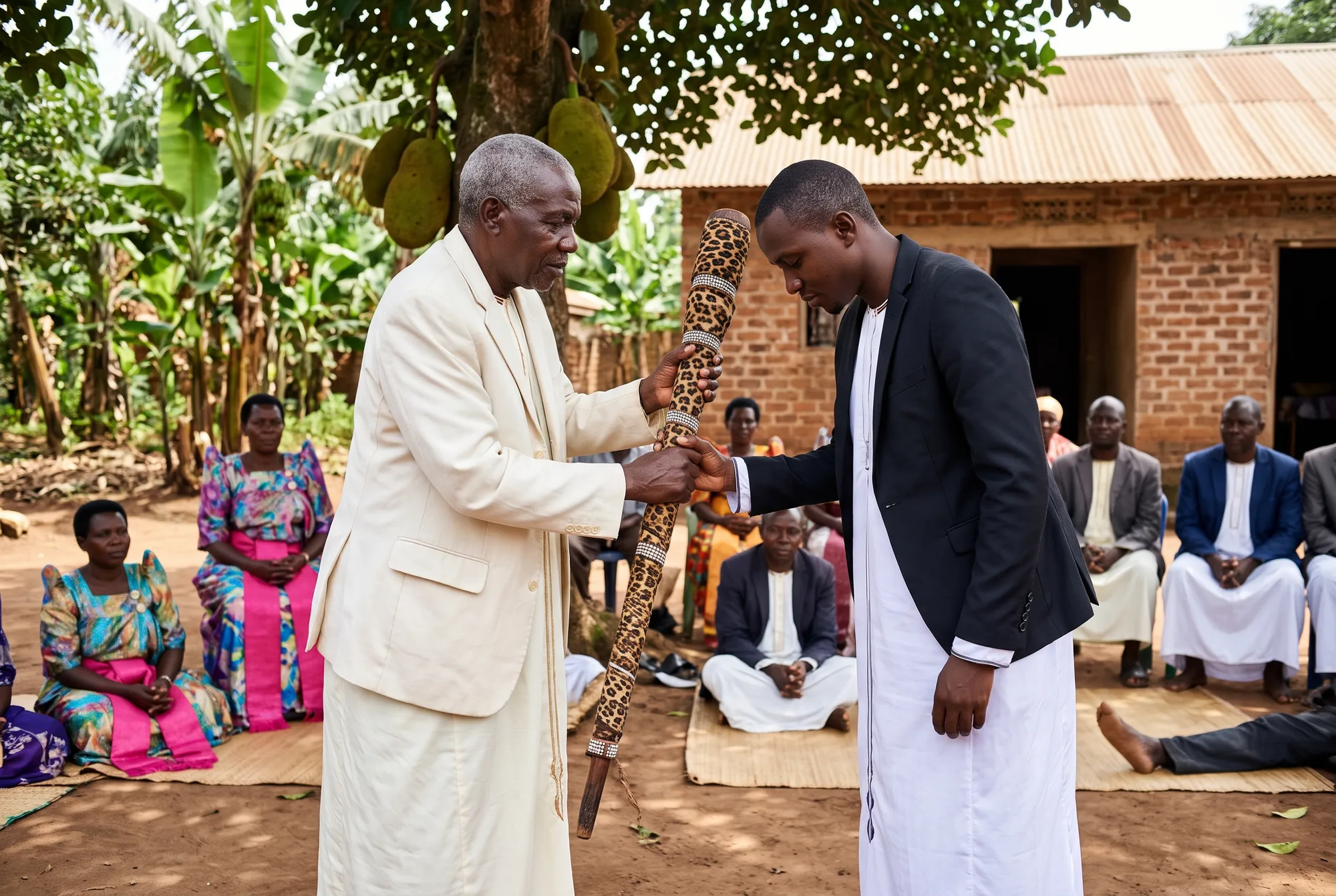
Ddamula: A Preparation for Leaving Your Parents’ House
In the end, our parents had the option of fixing this country, and this is the best they could do. It is not fair to say that they failed. I think, based on the information that they had, the lies they were told, and the promises that were made to them, were we in the same place as them, most of us would have made the same decisions. But that is also not to say that none of their decisions were motivated by fear. Especially fear for us. Most of our parents hated the thought of a future where they blamed themselves for any ill that happened to us. And so they moved with caution, which most of the time meant following advice from the authorities that they trusted. They shunned witchcraft. They prayed to Jesus. They laboured their days. They paid their taxes. They schooled their children. They spared a few moments to indulge in some decadence so they could cultivate the little pleasure they were allowed in this life.
The biggest mistake we can make is to follow their path blindly. It is okay for us to pray to Jesus as long as we don’t forget that the institutions that brought Jesus intended to weaponise Him to subjugate us. It is not Jesus’ fault, but we should not be naive. We should shun witchcraft, but let us not confuse our ancestors' ways, norms, and traditions with witchcraft. Any man who convinces you to call your ancestors evil is essentially calling you evil by birth. This is an insult, and you should not take it lightly. We should labour our days, but let us not get tricked into slavery. At least our ancestors had the decency to resist and had to be forced by the threat of death. We should not be too stupid to surrender ourselves into slavery willingly. We should pay our taxes and demand accountability from the taxman. Remember, we won’t be tricked into slavery—not to the foreigner, and not to the neighbour either. We should school our children, but let’s not cower into indoctrinating them into lies that we now know to be scams. But perhaps most importantly, joy and pleasure are not a reward for labour, or obedience, or morality, or any other actions taken. We should encourage our children to seek joy and pleasure as their natural birthright, and break down any systematic incentives that treat pleasure as a reward and pain as a punishment—systems designed to turn our children into tools that others can wield and use as they wish.
To escape this trap, we have to be brave enough to take the wheel from our parents. We should obviously seek their advice whenever we are lost. Seek their shelter whenever we are scared. Ground our dreams in their wisdom—without getting trapped in their nostalgia—whenever we are bored. We should respect and practice their rituals, polish them, and share them down the lineage to our children, and encourage them to share them down their lineage with their children too. This is how we ensure that they live forever through their descendants. But even with all that, we have to take autonomy over our life’s decisions. We have to pay attention to the world for ourselves, decide for ourselves what decisions make the most sense to us, and make them—even with the strong possibility that we may be wrong and have to suffer the consequences of these mistakes. Because the consequences for mistakes have to be suffered, even if those mistakes are made by someone else. We may find some comfort in blaming our parents in situations where we lazily inherited their decisions, but that is a slippery slope if our children inherit that vice from us. In moments when mistakes have been made, we need to be brave enough to look our children in the eyes, apologise, and let them know that had we known better, we would have decided better. But most importantly, we must let them know that at one point in their lives, they will make mistakes, and that mistakes are only life’s language of teaching us the way. We should listen to life and learn from them, but never define ourselves by the mistakes we’ve made, no matter how fatal or frequent they seem. The first lesson one can learn from any mistake is that everything that happens in life is simply a condition that one has to factor into their next decision. Living is just what one does one’s entire life. While there is no right or wrong way to live, there is a conscious, intentional, and responsible way to do it.
Therefore, sons should not inherit the fears of their fathers. Family is not a burden to worry about eternally. Family should be a home to find solace. A place to rest, converse, and play. Therefore, daughters should not inherit the tricks of their mothers. Don’t allow the fear of not being loved by your children to push you to manipulate and tame them into fearing you instead. Because while sons learn from their fathers how to lead and protect from the front, daughters learn from their mothers how to guide and love from behind. In a home, a father can show the way, but only a mother can get the children to take the way. Unlike providing and protecting, which are already institutionalised and teachable, guiding and loving are unique to each mother. Those insecurities we don’t want to face as parents will be inherited down the generations until, down the line, your descendants call them their identities, and not just mannerisms that their ancestors used to cope with their insecurities. The Baganda warn us of what happens when we don't pay attention: Omubbi azaala mubbi. Omutemu azaala mutemu. Omunafu azaala munafu… etc. Meaning that your unexamined vices are inherited by your children. Yet our ancestors also left us the cure. In fact, the practice of okukola Lubaale eri oyo Lubaale gw’abanja is designed to break that cycle—to make you aware of the insecurities that your ancestors' mannerisms covered, which you now consider part of your identity. Especially the identities that are obstructing you from living an intentional, conscious life that you can take full responsibility for.
This is the problem that currently stunts our country. With more than 75% of Ugandans under 30, it is likely that most of us are stuck worshipping our parents and aren’t awake to the fact that only we can live our lives. The country we are inheriting is the result of our parents living their lives. We cannot blame our parents for our shortcomings. That Western psychology, overemphasised in teenage movies, is also being weaponised to subjugate you. And we also cannot wait for our parents to tell us what to do. This country, as you see it, is the best they could do. Do we really want to settle for this? In fact, if you’re a Muganda man, at some point you’re old enough that the clan demands you find a wife outside the clan so that you can participate in growing the clan. At some point, we have to admit when we are too old for the nest and are ready to fly. You have to know when you’re too old for your parents’ family and are ready to start your own—to finally step forward, receive your Ddamula, and govern your own life.