
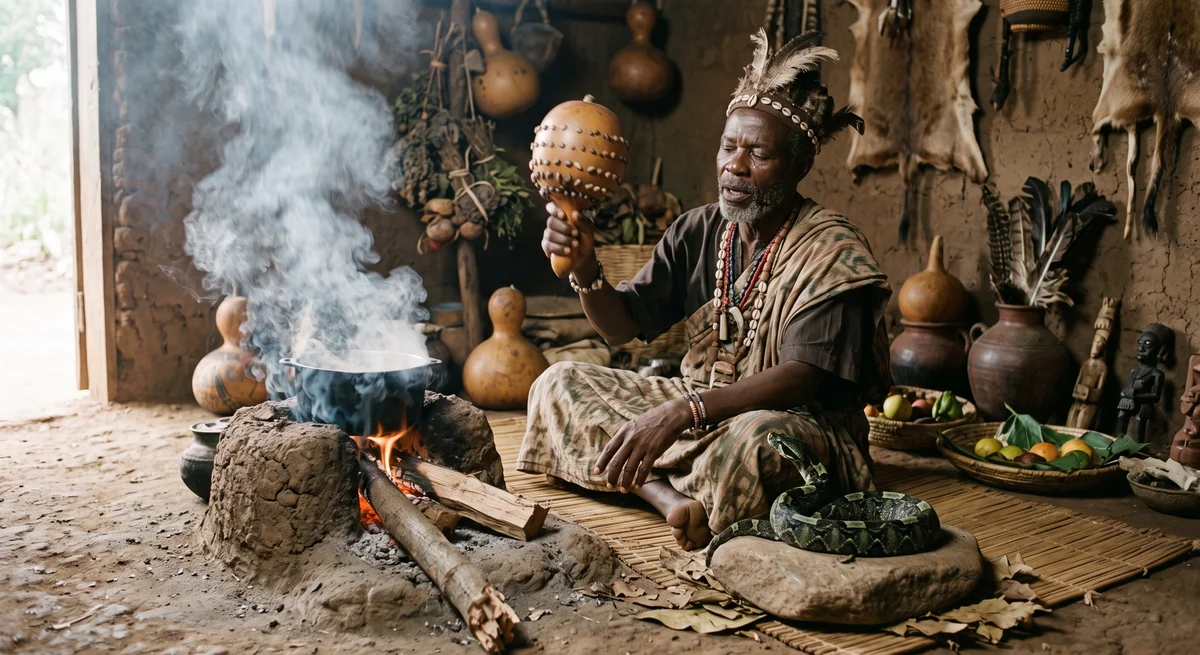
The western practice called witchcraft has nothing to do with African norms, traditions, and spirituality. Witchcraft was a term weaponized by the Roman Catholic Church as it attempted to centralize spiritual authority during the period when Rome was transitioning into a church—a period considered in Europe as the Dark Ages. The goal of witchcraft was mostly as a political tool. The church used the accusation of witchcraft as a way to blackmail other spiritual authorities at the time, especially the Gnostics, to join the church or to alienate them from the masses and brand them as evil. Using psychological trickery, violence, and wealth, the church was able to capture and centralize power in Europe and establish itself as the absolute authority on the European soul, positioning itself as the only path through which Europeans could meet God. A big part of this included banning or restricting to secret occult groups the mind-altering rituals from the East—part of which includes the work that was later resurrected by Aleister Crowley’s defiant behavior of sharing occult practices openly.
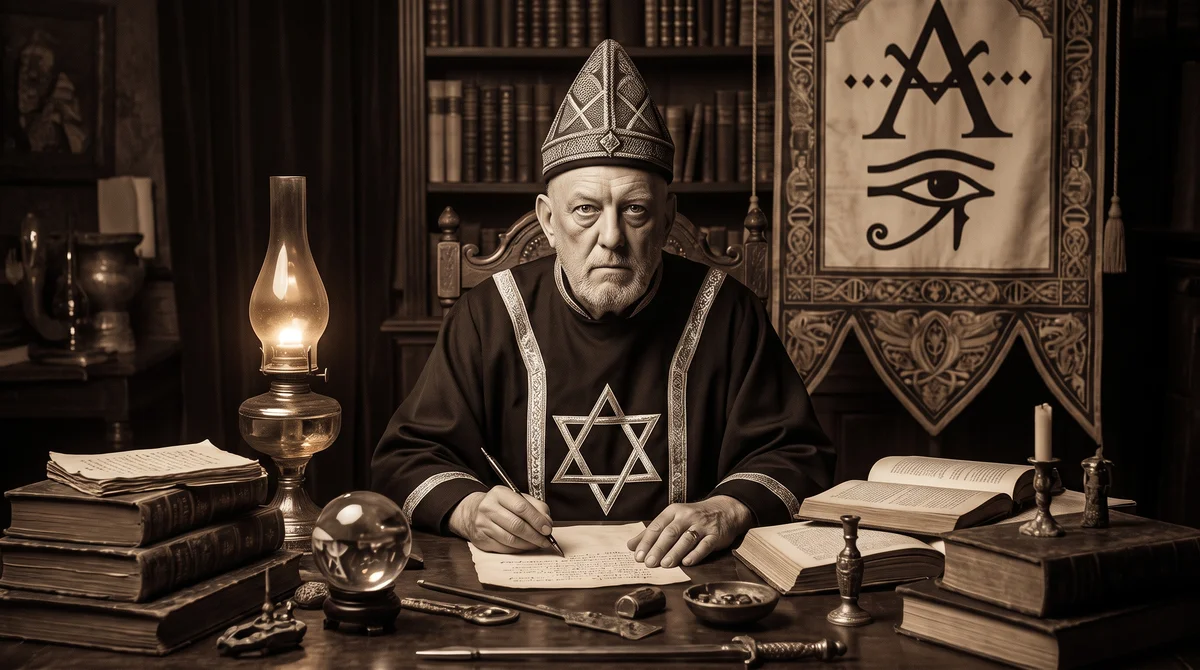
Most of these rituals were vulgarized by transgressive practices whose aim was to break the practitioner’s moral guards (or at least filter out people whose morals were compromisable). They worked as a means to create powerful, secretive, and nearly absolutely loyal communities bonded by the shared memory of their transgressions. These transgressions were as extreme as child abuse and murder, which these cults considered sacrifice. The point was basically to push the human mind beyond what it believed to be its moral limit. A person who was willing to go that far, either out of desperation or greed, was then eternally bonded to the cult and used however the cult saw fit. Some of that work included killing people in war, not out of necessity, but rather as a tactic. This obviously formed large tribes with a capability for unimaginable levels of cruelty that could be summoned at will.
Historically, Western occultists have tried to legitimize these dark practices by claiming they originated in Ancient Egypt. However, Egypt is vastly misunderstood to have employed this kind of "witchcraft." The idea that Egyptian leaders were forced through cruel, abusive rituals as children to break their moral barriers is a later European projection—a myth invented to make Western occultism seem ancient and mystical. In reality, Egyptian spiritual and divination practices were built on the exact opposite foundation: Ma'at, the fundamental principle of cosmic balance, truth, harmony, and justice. Their rituals and mystery schools were not designed to shatter morality through trauma, but to deeply align the ruler and the priesthood with the laws of nature. Actual Egyptian divination involved reading the stars, studying agricultural cycles, interpreting dreams, and performing highly structured rites meant to prevent chaos and maintain societal order.
So, when the European explorers finally made it to Africa, they found a continent that was not governed by scarcity. They found a people who, instead of attempting to tame and control nature, had resorted to partnering with nature, learning to adapt to and accept its rare, unpredictable mood swings. When the explorers reported what they had seen to the church, the church’s natural instinct was to send missionaries and initiate their colonial playbook. A big part of colonialism was to break the decentralized bond that people had with their gods and ancestors, and instead introduce them to a new universal god, whose access was granted only through the church.
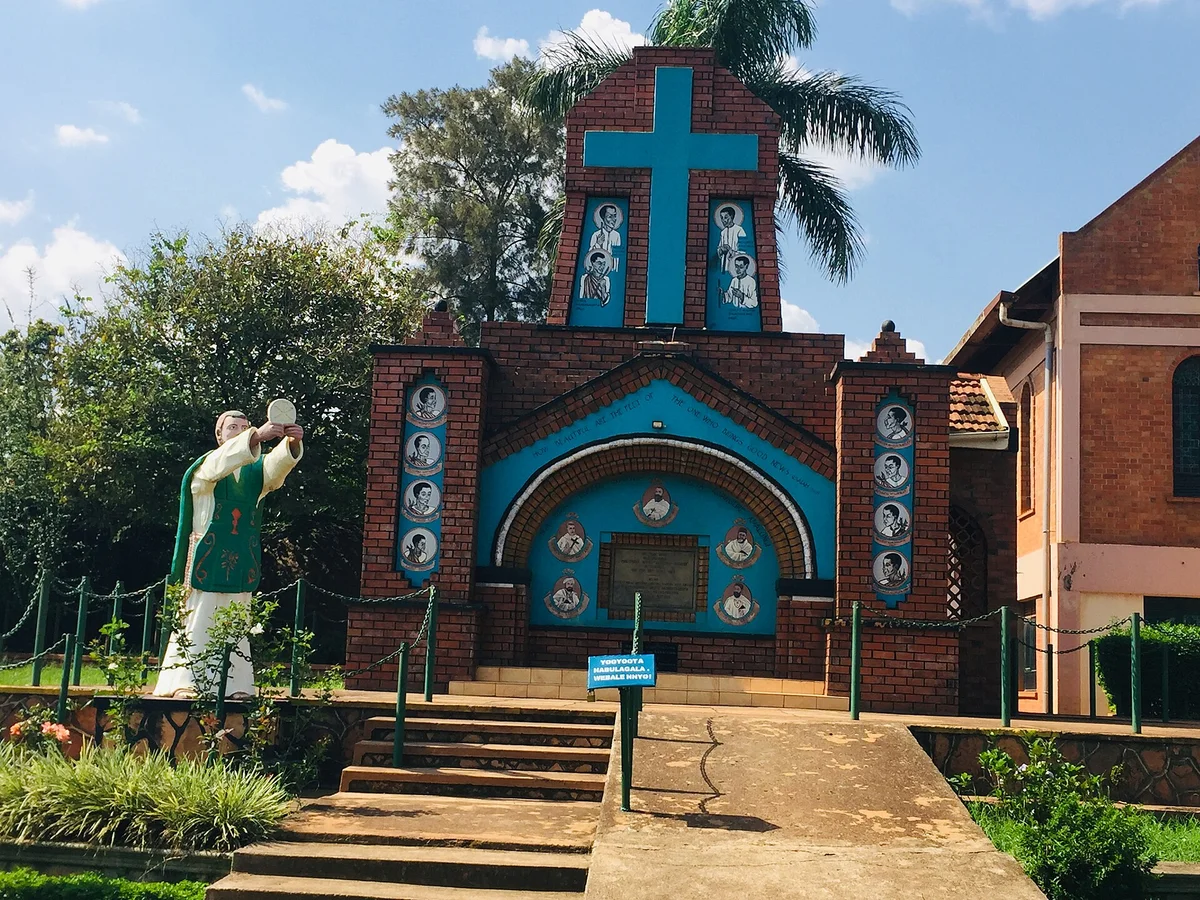
They imported their foreign concepts of witchcraft by corrupting local spiritual leaders and trapping them in the transgressional traps explained above. Slowly but surely, they were able to systematically stigmatize the African against their own natural and ancestral practices, introducing to them this new, heavily policed idea of God. On top of that, they established themselves as the ultimate authority on who gains God’s favor and who doesn’t.
The progress of that agenda is evident today, showing how Africa is still trying to cope with this trauma. It is now the most intensely religious collection of societies anywhere in the world. Tragically, most Africans today believe that the natural practices of their ancestors—most of whom are a mere two or three generations in the past—are "witchcraft" and the work of evil.
0 Comments