
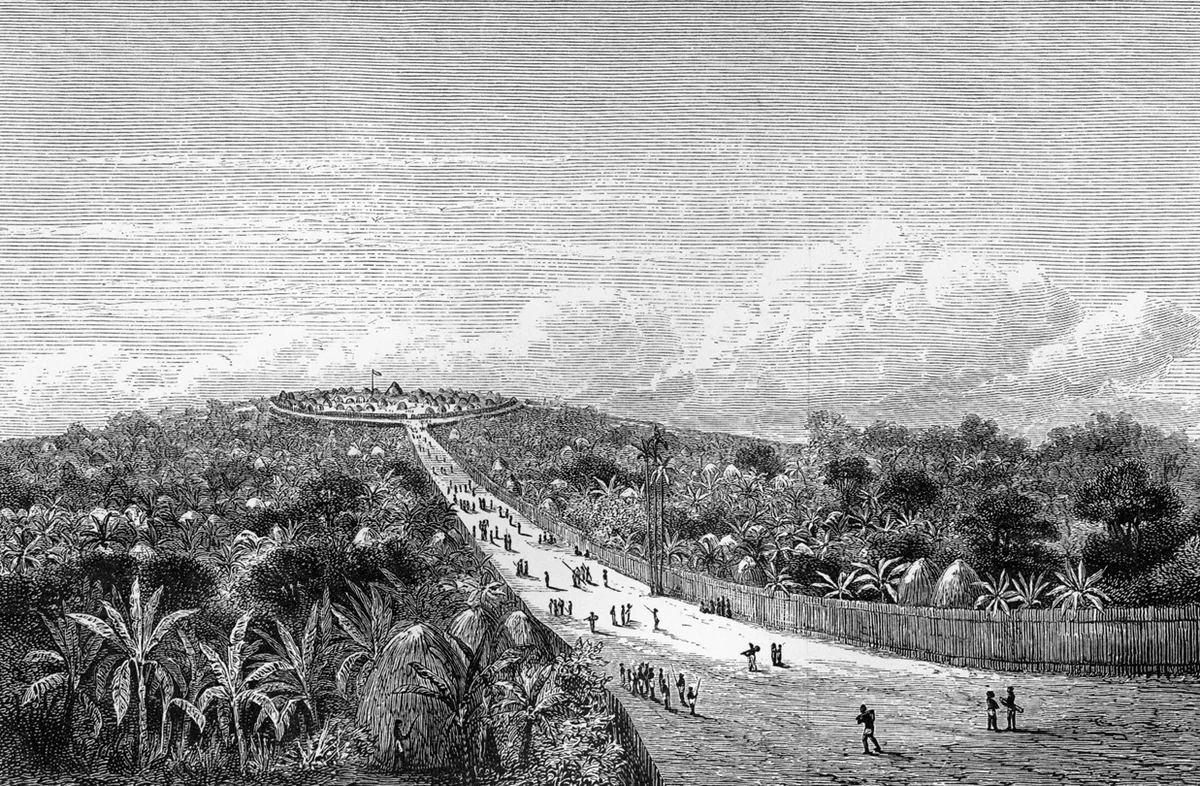
In the beginning, when impalas roamed the hills and before the clans took names from totems, the people of Buganda were few and scattered like seeds upon the wind. They lived close to the earth, and closer still to one another, for the land was vast and the heart was their compass.
The jajas say: "Start with the heart, then the body, then, and only then, think."
For in Buganda, a man who lives only by his mind is mad. A man who trusts only his strength is wild. But the one who begins with the heart, with feeling, with kinship, that one is Muganda.
And just as one may train the body to grow strong or sharpen the mind to grow wise, so too must the heart be disciplined. For a heart without discipline becomes soft with indulgence or hard with bitterness. Discipline of the heart is to remember one's people in the face of pride, to choose mercy when anger rises, to remain open when fear commands you to close. The Baganda taught that true strength lies not just in muscle or mind, but in the courage to let the heart lead with steadiness.
Now, in those days, the self was not yet divided. Other peoples said the self was twofold: body and mind. The Hebrews told stories of Daudi, the clever mind that slayed the giant, the story of Samson, the strong body that tore down a temple. But in Buganda, each family told the stories of their kin, of their brothers, of their sisters, of their fathers, of their mothers, of hearts beating together under the stars.
The clans were the first map. Not of land, but of love. They were drawn not with borders but with blood. For when the people began to multiply, the elders saw danger in forgetfulness. They saw that without names, kin would marry kin, and the blood would become confused. So they carved out clans like rivers, flowing from one ancestor but never crossing. Each name; Katongole, Ssesanga, Nsamba was both shield and mirror, reminding the child who they are and who they must not marry.
And from this, a new idea was born: grow by separation, not by conquest.
Let each heart, when full, overflow into a new place. Let the boy who feels misfit in his father’s house take his cows, greet the road, and find where his spirit calls him.
These wanderers were not outcasts. They were seekers. They herded with the Banyakole, they feasted with the Banyarwanda. And when love grew; for a woman, for a hill, for a stream that sang his name, the Muganda would settle. Not with sword, but with seed. He would dig the earth around his wife, plant yams and stories, and call that place home.
But home was never exile. He would return to his mother’s house, bow to his clan, and say, “Come visit me if ever your feet follow that road.” And thus the kingdom stretched, not by command, but by invitation.
A web, not a wheel. A tree, not a tower.
They say this is why the one called Omukumpanya, the clever one who puts the mind before the heart, is not to be trusted. He stores words and forgets feeling. His cleverness twists the tongue but breaks the bond. True wisdom belongs to the Omwetowaze, the one who humbles himself, who listens with the heart before speaking with the mind.
To be Muganda is not just to belong to a place, but to belong to a people. The same word Muganda names your bloodline and your brother. For what is a kingdom if not a family scattered by choice, yet bound by heart?
And so Buganda grew not in the way the Hebrews tell of Babel, ever upward toward heaven, but outward, like breath. It grew not from fear or control, but from love moving through the world, step by step, one road at a time.
To be Muganda was never closed to the outsider. When a Muganda married, his wife became Muganda. When a child was orphaned and taken in, or when a faithful servant became like a son, they were given a name and made part of the clan. Even a stranger from distant lands, if he chose to live among the people, if he chose a name, and offered his hands in labor and his heart in loyalty, he too became Muganda. For a family does not grow by blood alone, but by companionship, by building together, and even by admiration. In Buganda, the heart made room.
In the end, when the son who had traveled far and built his home with love and labor came to the end of his days, he did not rest among the hills he had tilled or the streams he had named. His body was carried back along the road he had once walked as a young man. His brothers, his sisters, his family received him. And there, in the compound of his father, beneath the shade of the tree planted long ago, he was laid to rest.
For a Muganda may live where he chooses, may plant his dreams in distant soil. He always rests at home.
0 Comments