Skip to content
X
XKMato
Nov 14, 2026, 9:37 AM

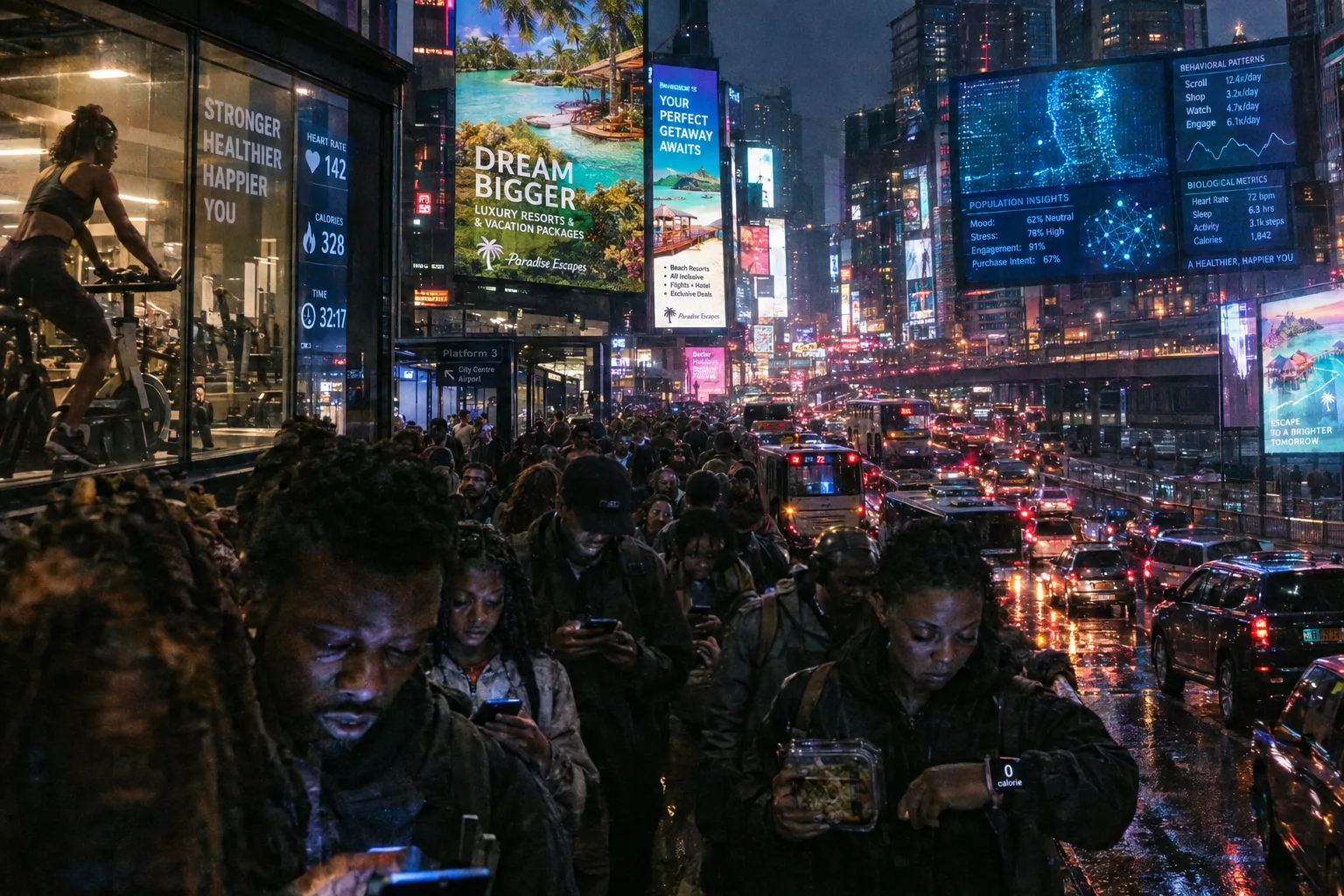
It's been 10 years since the first season of Westworld aired. I have always wondered why the show had such a strong impression on me. To me it seemed like a commentary on colonialism in a sense. But there is a way to see it as the inevitable conclusion of Aldous Huxley's thought in Brave New World. At some point, addiction to overindulge pushes you to make the indulgence more challenging until it becomes the poison you were trying to avoid in the first place. This is how addiction works anyway, so maybe the show is just an overly dramatic warning about the consequences of addiction.

Anyway, the first season was really dope. The second season tried to be too clever. The rest of the seasons were predictable AI apocalypse nonsense that white people obsess a lot about.

I would still consider the first season a classic. It is one of those shows like True Detective where the first season is so good that it is not fair to judge it based on the deterioration of the subsequent seasons.


Feed attachment
8
Explore in Mind Map →
Echoes Luganda warning on excessLeads to →
Open post →

Mirrors a traditional Luganda aphorism warning that unbridled appetite inevitably breeds self-destructive madness.

X
XKMato
4mo ago

Omululu gulalula!

Flips sensory gluttony into emptinessLeads to →
Open post →

Contrasts the agency-destroying spiral of boundaryless hedonism with the generative power of deliberate sensory emptiness.

X
XKMato
5d ago

In ignorance, silence and darkness can we grow.
Knowledge is created when we ask questions.
We ask questions when we realise that we are ignorant.
Answers distract us from noticing our ignorance.
We desire to see when we realise that we are in darkness.
Light distracts us from our desire to see.
We desire to listen when we realise that we are in silence.
Sound distracts us from our desire to listen.
Darkness becomes light for those who indulge their desire to see.
Silence becomes sound for those who indulge their desire to listen.
Ignorance becomes knowledge for those who indulge their desire to ask.
In the beginning was darkness, silence and ignorance forever more.

Civilization as controlling other peopleLeads to →
Open post →

Deepens Westworld's colonialism reading by defining civilization itself as spiritually blocked humans competing to control other humans.

X
XKMato
2mo ago

Civilization can be defined not as a competition of man to control nature, but of man to control man. Nature just happened to be either collateral or a tool. Why man was interested in controlling man in the first place is the most important question as we make significant breakthroughs in our understanding of human cognition. The sages of the East (Rishis) reduced this urge to control to an instinctual failure of man to understand the seven important energies (Prana) in man's body. They called them chakras. And it is this profound ignorance (Avidya) of these senses that is the source of the baser instincts within man: the instincts for disgust, shame, hunger, hate, anger, delusion (Maya), and fear. Most yoga practices have been developed specifically to address this Avidya.

Feed attachment
Prescribes discipline against sensory rotLeads to →
Open post →

Offers proactive psychological hygiene as a stabilizing counterweight to indulgent sensory overload.

X
XKMato
3mo ago

Mental Hygiene

PDF cover
PDF25 pages

Read Document

Open Reader
Critique of scripted consumer leisureLeads to →
Open post →

Advances the Brave New World warning through Kabaka Ndawula's attack on mindless consumers whose resort-style leisure and appetites are dictated by adverts.

X
XKMato
1mo ago

Kabaka Ndawula - Jajja w'ebibuga

We should stop calling consumers people. I mean these human bodies, devoid of any capability of original thought. They consume content all day. They pay for things because others have them. What they consider leisure is straight out of a resort advert. They eat food based on some numbers called calories that they heard on a podcast. They drive 10 kilometers to work daily, and then pay for the gym. Even when it comes to sex, they want to perform it like they are in a porno. Everything about them is fake.

Ejembe ly'obuddu borrows their body for eight hours a day, five days a week—except for the 21 days off in a year and some holidays. The rest of the time, they don't know what to do with their bodies, so all they do is consume.

I want to go out of my way and say that having a human body is no longer enough qualification to be considered a person. These consumers aren't people. They are things. And if you know slightly more than average mathematics, and you can afford to convert a good amount of energy into computing, you can control them like the tools they are.

Feed attachment
Hedonism and instant-gratification spiral← Connected from
Open post →

Traces consumers' craving for immediate excitement to its philosophical extreme via Westworld and Brave New World's boundaryless hedonism.

X
XKMato
2mo ago

You have to build for short-term thinkers without falling into the short-term thinking trap yourself.


​Digital forces move the mind towards instant gratification. Therefore, consumers of your digital offering are more likely to pay you to excite them immediately than trust you to satisfy them if that satisfaction requires delayed attention.


​The biggest mistake you can make as a content creator is to indulge in exciting content. You have to decide to be either a user or a seller. This is one of those businesses where you cannot get high on the product you intend to sell.


​Read research papers. Read novels. Watch movies. Watch documentaries. Listen to podcasts. Participate in debates. Do hour+-long regular meditations. Do long road trips. Sleep for 50+ hours a week. Spend more time consuming fewer things.


But don't forget to create for the short-term thinker.

Mass cinema as control trapLeads to →
Open post →

Links the captivating spectacle of Westworld to the realization after watching The Odyssey that mass entertainment is society's biggest trap.

X
XKMato
3mo ago

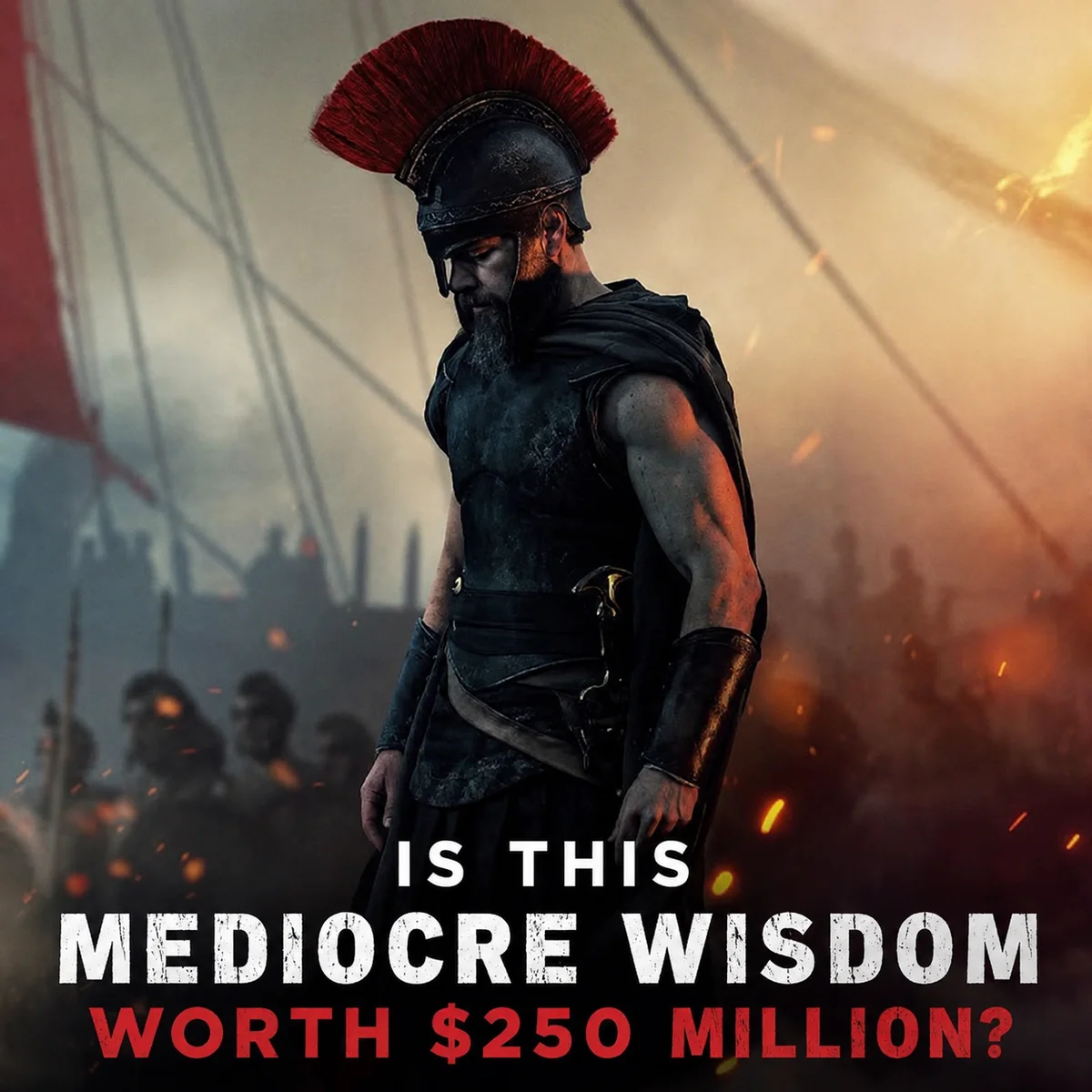
People talk about wealth transfer, pointing to Wall Street and banking practices that unfairly take from the poor to fill the pockets of the rich. But I am coming to believe that mass entertainment is actually the biggest wealth transfer trap there currently is. I watched Odyssey twice in the cinema. The film was not bad; some could even fairly say it was a good film. But how can anyone justify spending $250 million on that picture? I know Ugandan directors who could make such a film (or an even better one) for less than $25 million. We have to talk about these Hollywood budgets, their impact on global culture, and whether they are just a sophisticated form of money laundering.


The biggest counterargument for why it is okay to make such a film is that it grossed almost a billion dollars, making it profitable for investors. Yet, in truth, more than $100 million was spent marketing it. A significant portion of that was poured into TikTok and other advertising platforms to create the illusion that everyone is watching the film, and therefore, it is important that you do, too. The consequence of such advertising is that many poor people will spend the little money they have to sit in a theater for two hours to consume mediocre wisdom that isn't even compatible with their environments.


Having the ability to spend huge sums of money to induce the masses—especially poor people—to hand over their cash is simply not right. Using the force of wealth to impose your culture on others is colonialism. This kind of scheme, whether pulled with Odyssey or other mass-marketed juggernauts like Coca-Cola and Drake, significantly widens the global wealth inequality gap. Just because it is doable doesn't mean it is acceptable. Paying influencers to pretend they enjoyed a film—or worse, paying them to convince themselves they enjoyed it—is a form of corruption. The guys at the the printer need to direct some of that money to Africans so that we can also grow our cultures. The fact that there are no laws against this kind of mass marketing doesn't mean it is right. Don't do it.

Feed attachment
Resisting seduction through spectacleLeads to →
Open post →

Offers the spiritual antidote to Huxleyan hedonism: practicing discipline so you become impossible to seduce through spectacle or pain.

X
XKMato
2mo ago

The point of spiritual practice, as I see it, is not to make you less worldly.

It is to make you less recruitable.

Harder to hypnotize through pain.

Harder to flatter through identity.

Harder to manage through fear.

Harder to seduce through spectacle.

Harder to convert into fuel for a god you did not consciously ignite.

That is the choice as I see it.

Not between technology and spirituality.

Not between modernity and tradition.

Not between one religion and another.

But between conscious creation and unconscious worship.

Between friendly gods and jealous ones.

Between a world organized around negotiated trust and one conquered in pursuit of the illusion of a final truth.

https://xkmato.substack.com/p/the-monotheism-endgame

Sign in to communicate privately with the author